By Julian & Company
Walking through an open house is one of the most useful things a buyer can do, but only if you know what to pay attention to. Most people focus on whether they like the kitchen or how the living room feels, and while those impressions matter, they are not enough. Bellingham's housing stock spans mid-century homes near Whatcom Falls to newer builds by Barkley Village, and evaluating each well requires a consistent approach. Here are five things worth examining at every open house.
Key Takeaways
-
Discover what to look for in open houses beyond surface appeal so you can evaluate properties with genuine confidence.
-
Learn to read structural and mechanical signals that reveal a home's true condition before you make an offer.
-
Find out which details indicate whether a Bellingham property has been well maintained or deferred.
-
Understand how to use open house observations to prioritize due diligence before and during a formal inspection.
Roof and Gutter Condition
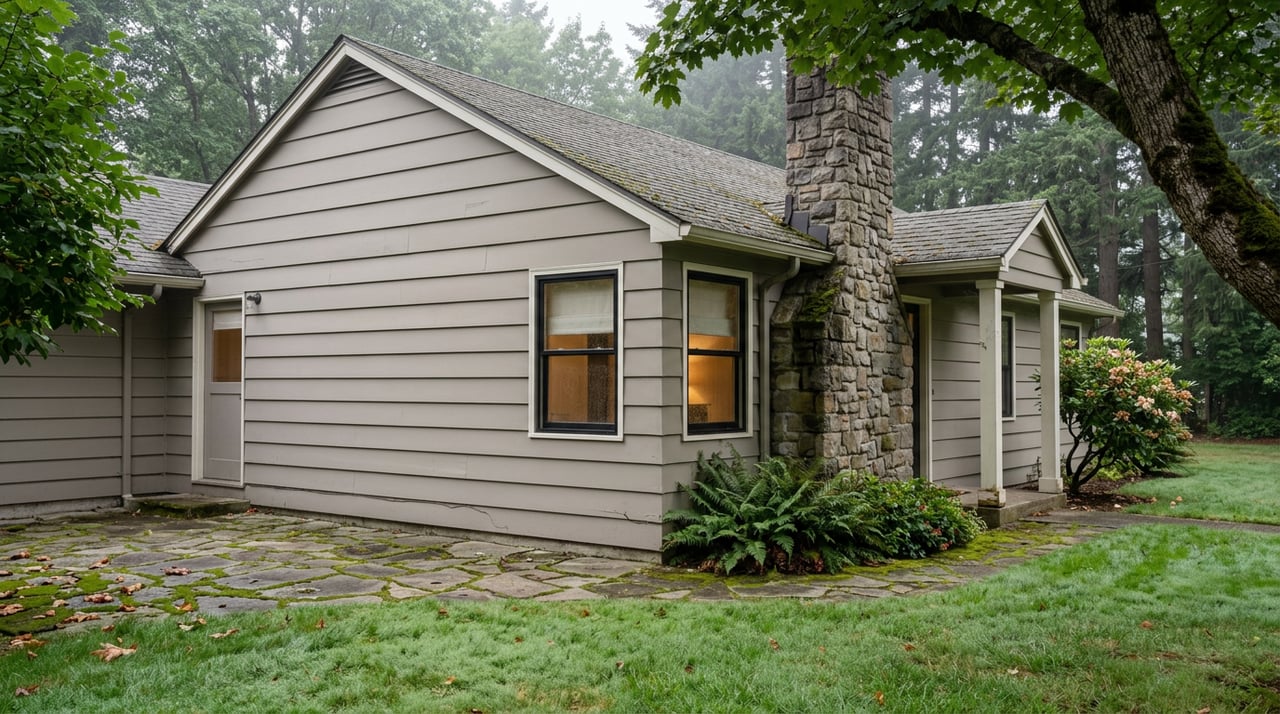
The roof is one of the most expensive systems to replace, and in Bellingham, where annual rainfall is substantial and moss growth on rooflines is common, it deserves close attention. A look from the exterior and a few direct questions can tell you a great deal.
What to Look for When Evaluating a Roof at a Bellingham Open House
-
Check the roofline from the street for sagging, uneven ridgelines, or sections that dip, which can indicate structural issues beneath the surface.
-
Ask for the roof's age. Asphalt shingle roofs have a practical lifespan of 20 to 30 years, and one approaching that range is an upcoming capital expense worth factoring into your offer.
-
Check interior ceilings for water stains, bubbling paint, or soft areas near exterior walls, which reliably indicate moisture intrusion from above.
Identifying a roof issue early gives buyers the information needed to negotiate accurately and plan for upcoming costs.
Signs of Water Intrusion
Moisture is the most consequential issue a Pacific Northwest home can have, and Bellingham's wet winters mean buyers should actively look for it. Its effects are not always visible on the surface.
How to Identify Moisture Issues During a Bellingham Open House
-
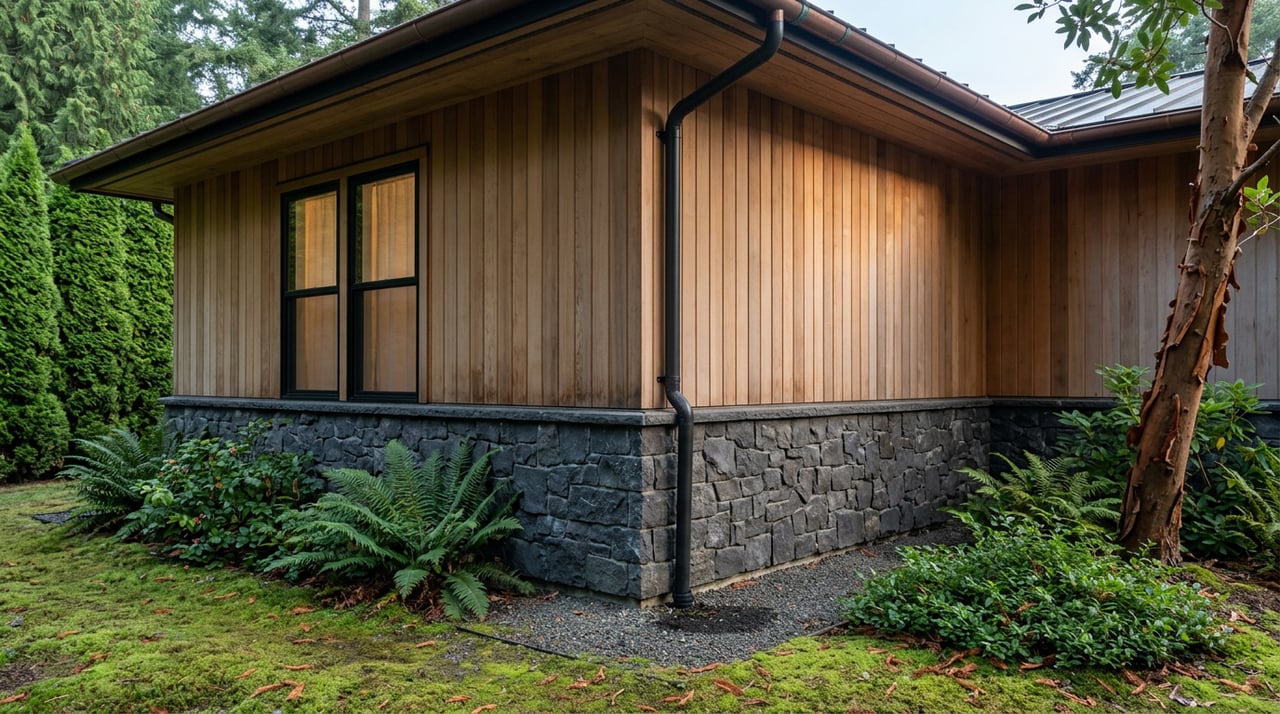
Check the basement or crawlspace if accessible. White mineral residue on concrete walls indicates moisture movement through the foundation, and a persistent musty smell signals an active drainage issue.
-
Look at window frames and sills for soft wood, discoloration, or peeling paint, particularly on north and west-facing sides that receive the most weather exposure.
-
Examine areas around showers and tubs for caulk that is cracking or separating, suggesting water has been reaching the subfloor.
-
Pay attention to the overall smell. A persistent musty quality often indicates moisture in walls or the crawlspace that is not visible from the surface.
Spotting moisture signs at the open house stage puts buyers in a much stronger position heading into a formal inspection.
The Electrical Panel and Wiring
Electrical systems are largely invisible, but what is visible tells a useful story about when the home was last updated. Bellingham has many older homes where electrical systems have not kept pace with modern demand.
What to Look for in the Electrical System at an Open House
-
Ask to see the electrical panel. A fuse-based panel indicates the system has not been updated since at least the 1960s, and lenders or insurers may require an upgrade before financing is finalized.
-
Look for aluminum wiring in homes built between approximately 1965 and 1973, which requires specific devices and evaluation by a licensed electrician to be used safely.
-
Check exposed wiring in basements and utility spaces for knob and tube systems, which some insurers will not cover without full replacement.
A basic visual assessment gives buyers enough to ask the right questions and ensure electrical condition is properly addressed during inspection.
Natural Light and Ventilation
Bellingham's cloudy climate makes natural light a genuine quality-of-life factor. Orientation, window placement, and tree coverage all affect how much usable daylight a home receives, and this varies significantly between properties.
How to Evaluate Light and Ventilation in a Bellingham Home
-
Note which direction the main living areas face. South-facing rooms receive the most consistent light in the Pacific Northwest, while north-facing rooms can feel dark even on clearer days.
-
Check bathrooms and the kitchen for ventilation fans ducted to the exterior. In Bellingham's humid climate, proper ventilation is essential for managing moisture and preventing mold.
-
Walk the exterior and note tree coverage to the south and west. Mature trees in those directions can substantially reduce daylight during fall and winter when natural light is already limited.
A home that manages light and ventilation well delivers meaningfully better daily livability in Bellingham's climate.
The Neighborhood Context
The home you are evaluating does not exist in isolation, and an open house is the right time to observe the immediate neighborhood. In Bellingham, where areas like Fairhaven, Sehome, and Birchwood each have distinct character, a few minutes of observation adds significantly to what the listing provides.
What to Observe About the Neighborhood During a Bellingham Open House
-
Walk the immediate blocks before or after the open house. The condition of neighboring properties and activity on the street affect your daily experience more directly than most interior finishes.
-
Pay attention to noise sources. Proximity to arterials like Lakeway Drive and the Guide Meridian creates ambient noise that listing photos do not convey.
-
Observe the topography. Bellingham's varied terrain means some lots collect water during heavy rain, and noting how the property drains is worth doing.
-
Consider proximity to amenities that matter to your routine. Access to the South Bay Trail, Boulevard Park, and Bellingham's walking and cycling routes is a quality-of-life factor worth assessing directly from the property.
The neighborhood context of a Bellingham home is as important as what is inside it, and a few minutes of observation makes for a more complete evaluation.
Frequently Asked Questions
How long should I spend at a Bellingham open house?
Most buyers spend between 20 and 45 minutes, but quality matters more than length. Coming prepared with a checklist allows you to gather useful information efficiently without feeling rushed.
Should I ask the listing agent questions at an open house?
Yes. The listing agent can share things the listing does not include, such as the roof age and when systems were last serviced. Direct questions in a relaxed setting often produce more useful information than you would get later in a formal negotiation.
Is it worth attending open houses outside my budget in Bellingham?
Within reason, yes. Visiting homes across a range of price points helps calibrate what a given budget delivers in Bellingham's different neighborhoods and sharpens your ability to evaluate condition when the right home appears.
Contact Julian & Company Today
Knowing what to look for in open houses makes every property visit more productive, and having an experienced team alongside you means you are never evaluating a home alone. We know Bellingham's neighborhoods well, from Fairhaven to the newer development near Barkley Village, and we bring that knowledge to every buyer conversation.
When you are ready to find your home in Bellingham, contact Julian & Company, and we will make sure you are as prepared as possible before you walk through a door.
When you are ready to find your home in Bellingham, contact Julian & Company, and we will make sure you are as prepared as possible before you walk through a door.