By Julian & Company
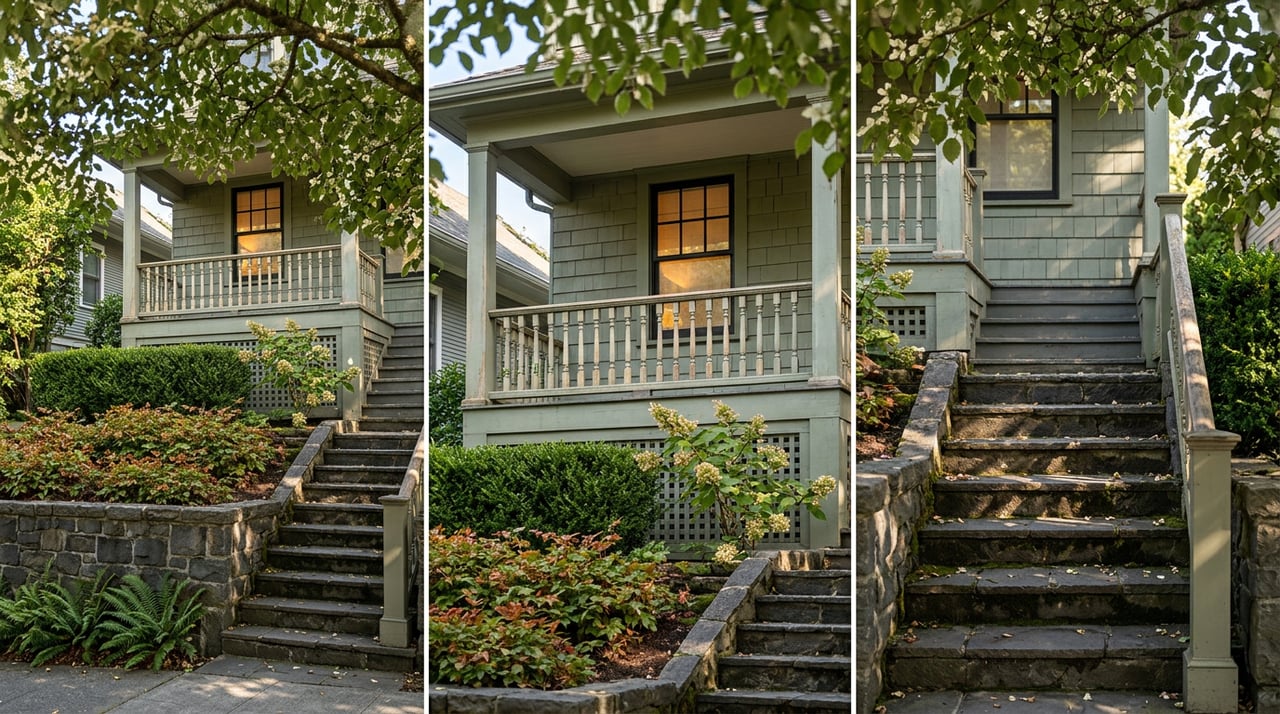
A home inspection before buying is one of the most important steps in any real estate transaction, and in Bellingham it carries particular weight. The Pacific Northwest climate, the city's housing stock, and the range of property types here, from historic Craftsman homes in the Lettered Streets to newer construction near Barkley Village, create specific inspection considerations worth understanding. Here is what to expect throughout the process.
Key Takeaways
-
Discover what a home inspection before buying actually covers and what falls outside its scope.
-
Learn which findings are most common in Bellingham homes and why the Pacific Northwest climate creates specific concerns worth anticipating.
-
Find out how to choose the right inspector, attend the inspection effectively, and use the report in negotiation.
-
Understand when inspection results justify walking away and when they are simply the basis for a productive conversation.
What a Home Inspection Actually Covers
A home inspection is a visual assessment of a property's accessible and visible components conducted by a licensed professional. It is not a warranty, a guarantee of future performance, or a code compliance review. In Washington State, inspectors are licensed through the Department of Labor and Industries and must follow defined standards of practice.
What a Standard Home Inspection Includes and Does Not Include
-
A standard inspection covers the roof, attic, foundation, crawlspace, electrical system, plumbing, HVAC, windows and doors, and visible structural components.
-
Environmental testing for mold, radon, asbestos, and oil tanks is separate and requires additional specialists. In Bellingham, where older homes may have oil heat histories, buyers should evaluate whether additional testing is appropriate.
-
A sewer scope is not part of a standard inspection but is strongly recommended in Bellingham. Tree root intrusion and aging clay or cast iron pipes are common findings in established neighborhoods.
-
Septic tanks, wells, and specialty systems are outside the standard scope and require their own evaluations.
Knowing what is and is not covered allows buyers to build a complete due diligence plan rather than assuming one report tells the whole story.
Why Bellingham Inspections Have Specific Concerns
Bellingham's climate, construction history, and geography create recurring inspection findings buyers should anticipate. Understanding these before the inspection helps buyers engage productively during the walkthrough and interpret the written report accurately.
The Most Common Inspection Findings in Bellingham Homes
-
Moisture intrusion is the most frequently identified concern. Annual rainfall, moss growth on roofs and foundations, and the age of the housing stock mean inspectors are almost always evaluating for signs of water movement through the structure.
-
Crawlspace conditions are a particular focus. Inadequate vapor barriers, standing water, wood rot, and pest activity are common in homes where crawlspaces have not been properly maintained.
-
Roof condition is evaluated carefully in the Pacific Northwest context. Moss and lichen growth accelerate shingle wear, and inspectors treat the roof covering, flashing, and gutters as an integrated drainage assessment.
-
Older electrical systems are common in established neighborhoods. Fuse panels, aluminum wiring from the 1960s and 1970s, and knob and tube wiring all require follow-up by a licensed electrician.
Anticipating these findings allows buyers to ask informed follow-up questions during the walkthrough rather than encountering them as surprises in the report.
How to Choose the Right Inspector
Washington State licensing establishes a floor rather than a ceiling, and the quality of inspectors varies considerably. Choosing the right one is as important as scheduling the inspection.
What to Look for When Selecting a Home Inspector in Bellingham
-
Look for inspectors with specific experience in Bellingham and with the types of properties you are considering. An inspector familiar with the city's older neighborhoods will approach a 1920s Craftsman differently than one whose experience is primarily in newer construction.
-
Ask how long the inspection will take and whether buyer attendance is encouraged. A thorough inspection of an average Bellingham home typically takes two to three hours.
-
Review sample reports before hiring. A good report is detailed, clearly written, and includes photographs of every significant finding, reading as a useful decision-making document rather than a checklist.
-
Ask specifically about the inspector's approach to crawlspaces, roofs, and moisture, since these are the areas most likely to produce significant findings in Bellingham.
The inspector you hire sets the quality ceiling for your due diligence process.
How to Use the Inspection Report
Receiving the report is not the end of the process. It is the beginning of a decision-making conversation that may involve negotiation, further investigation, or occasionally a decision not to proceed.
How to Interpret and Act on an Inspection Report in the Bellingham Market
-
Distinguish between significant findings and routine maintenance items. A report listing many items is not necessarily about a problematic home. Categorizing findings by cost and safety implication rather than volume is the starting point.
-
Use significant findings as the basis for a repair request, a price reduction, or a closing credit. The right response depends on the nature of the finding, the competitiveness of the listing, and your priorities.
-
Know when the findings suggest walking away. Occasionally the cumulative weight of what an inspection reveals, major deferred maintenance, structural concerns, or system failures, justifies a decision not to proceed regardless of how much you liked the home.
An inspection that identifies real problems is doing exactly what it is supposed to do. How you respond is where buyer representation adds the most value.
Frequently Asked Questions
Can I skip the home inspection to make my offer more competitive in Bellingham?
Waiving an inspection contingency is a risk that should be considered carefully. We work with our clients to structure competitive offers that do not require eliminating due diligence, and there are ways to strengthen an offer without taking on undiscovered property risk.
How much does a home inspection cost in Bellingham?
Costs vary based on property size, age, and scope, and additional services like sewer scopes carry their own fees. Treat the inspection as a non-negotiable investment in the transaction rather than an expense to minimize.
What happens if the inspection reveals major issues?
The inspection contingency gives you defined options including requesting repairs, negotiating a credit, or terminating the contract within the contingency period. We guide our clients through each scenario and help them make decisions that reflect both market conditions and their priorities.
Contact Julian & Company Today
A home inspection before buying is too important to navigate without experienced guidance. We work alongside our clients at every stage, from recommending inspectors we trust to interpreting findings and managing the negotiation that follows. Bellingham is a market we know well, and that knowledge shapes every recommendation we make.
When you are ready to buy in Bellingham, contact Julian & Company, and we will make sure the inspection process goes as smoothly as possible.
When you are ready to buy in Bellingham, contact Julian & Company, and we will make sure the inspection process goes as smoothly as possible.