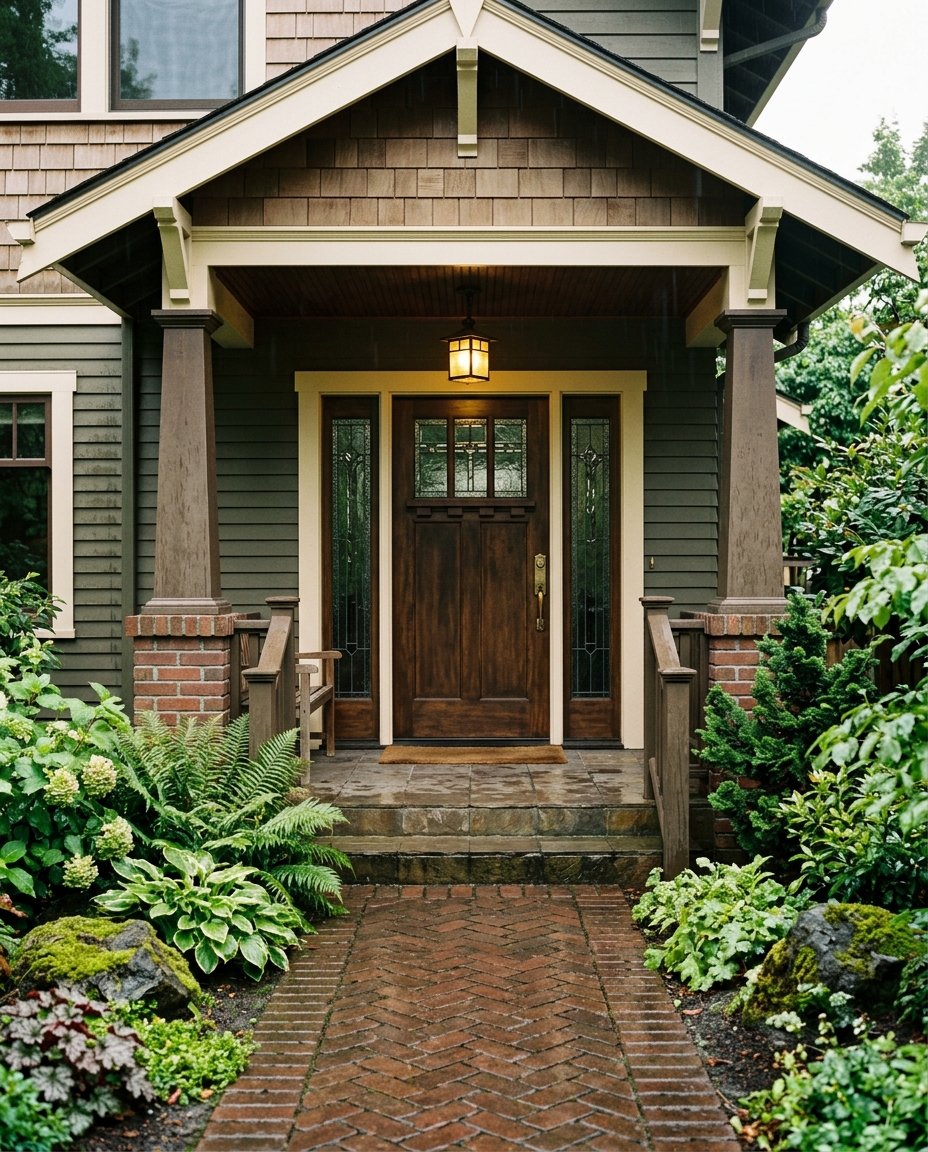
Wondering how to sell a historic Fairhaven home without losing what makes it special? In this part of Bellingham, buyers are often drawn to more than square footage alone. They notice the story, the setting, and the details that connect a home to Fairhaven’s character. If you are preparing to sell, it helps to understand how historic status, design review, documentation, and neighborhood positioning can shape your strategy. Let’s dive in.
Why Fairhaven’s identity matters
Selling in Fairhaven is often different from selling in other parts of Whatcom County because the neighborhood itself is part of the value. The City of Bellingham describes Fairhaven as a historic, walkable urban village with waterfront amenities, transit access, and an active preservation framework.
That context matters when you bring your home to market. Fairhaven began as one of the pioneer settlements on Bellingham Bay and later became part of Bellingham in 1904. Today, the neighborhood includes a mix of single-family homes, apartments, and condos, along with easy access to shops, the Village Green, the library, and regional transportation options like Amtrak, Greyhound, and the Alaska Marine Ferry.
For sellers, this means buyers may be evaluating both the home and the lifestyle around it. A listing that clearly presents your property’s relationship to Fairhaven’s walkable streets, historic character, and nearby amenities can create a stronger first impression.
Historic character shapes buyer appeal
Fairhaven’s historic identity is not limited to one type of home. The city describes Old Fairhaven’s residential streets as eclectic, with turn-of-the-century housing mixed with later architectural styles, narrow streets, green front yards, and parking often placed behind homes or along alleys.
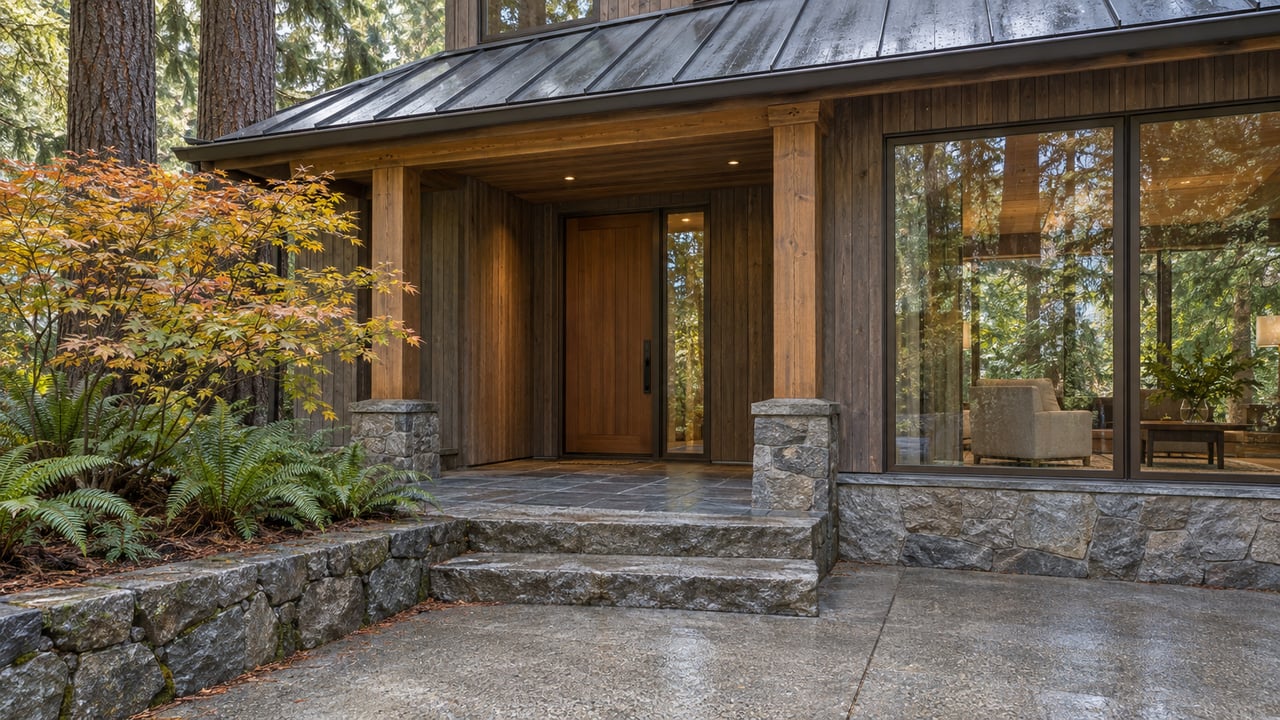
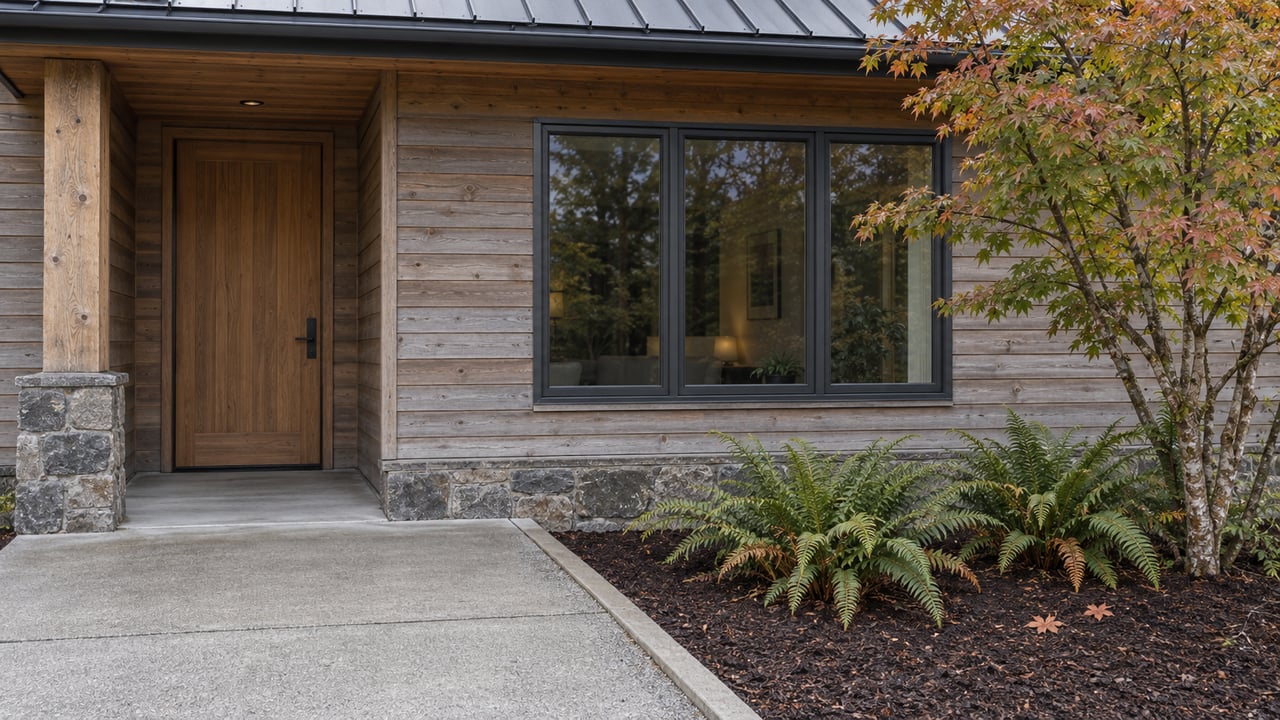
That means your home’s curb appeal may be about more than fresh paint or landscaping alone. In Fairhaven, the front-of-house experience is often part of the home’s appeal, especially when original features or compatible updates help the property feel connected to the neighborhood’s overall character.
The neighborhood’s commercial core also adds to that appeal. The Fairhaven National Register Historic District includes 17 historic buildings, and newer infill has been designed to be compatible with local history. For buyers who value place and character, that setting can support a stronger emotional connection to your listing.
Confirm historic status before listing
One of the most important early steps is confirming whether your property has any historic designation or review requirements. In Bellingham, a building is generally considered historic if it is at least 50 years old and still retains many original character-defining features.
That does not automatically mean the home is locally designated. Bellingham’s local historic register is voluntary, but it is also regulatory. Exterior changes to a locally listed property can require a Certificate of Alteration and review by the Historic Preservation Commission.
National Register status works differently. According to the city, National Register designation is honorary and does not provide preservation protection on its own. That distinction matters because sellers and buyers often assume all historic labels carry the same rules when they do not.
Understand design review in Fairhaven
Fairhaven is also part of the city’s Fairhaven Design Review District. The Historic District DRA follows the boundary of the Fairhaven National Historic District, and current urban village design standards took effect on April 3, 2023.
If you are planning exterior work before listing, you should confirm whether those standards apply to your parcel and whether review is required. The city’s planning framework for Fairhaven is focused on preserving the neighborhood’s distinctive historic character, supporting compatible development, and maintaining a pedestrian-friendly streetscape.
This is especially important if you are considering last-minute exterior updates, additions, or adaptive reuse. Work that seems simple from a resale standpoint may still need review depending on the property and the scope of the changes.
Gather documents before your home hits the market
Historic homes usually benefit from better documentation than a typical resale. Buyers often want clarity about what is original, what has been restored, and what has been updated more recently.
Before listing, it is smart to assemble as much supporting information as possible. This can help your agent market the home accurately and can also make buyer questions easier to answer.
Key records to collect
- Permit records for completed work
- Certificate of Alteration approvals, if applicable
- Special tax valuation paperwork, if applicable
- Before-and-after photos of restoration or rehabilitation work
- Notes on original materials, known builder details, or documented historical facts
A well-documented property can feel more credible and more compelling. It also helps keep listing language factual, which is especially valuable when marketing a historic home.
Prioritize repairs that protect character
If you are deciding where to spend money before selling, focus first on repairs that protect the home’s durability and historic fabric. Washington’s rehabilitation standards emphasize protecting buildings from ongoing water damage and eliminating fire hazards while preserving historic materials where possible.
That makes practical repairs especially important. Issues like roof leaks, failing flashing, glazing problems, caulking gaps, and water intrusion can affect both value and buyer confidence.
In many cases, these items matter more than cosmetic changes that do little to preserve the home itself. Buyers considering a historic property often understand that older homes have quirks, but they still want reassurance that important maintenance has been handled responsibly.
Price with history and condition in mind
Pricing a historic Fairhaven home is rarely as simple as pulling a few nearby sales and averaging the numbers. Comparable sales still matter, but condition, authenticity, and the quality of updates can all influence how a buyer sees value.
A well-preserved home with intact original features may deserve a different marketing and pricing conversation than an older home that has been heavily altered. Likewise, deferred maintenance can affect pricing, even in a neighborhood where character is a major draw.
The strongest pricing strategy usually balances neighborhood comps with a clear understanding of your home’s historic appeal, current condition, and level of documentation. Buyers are often more comfortable paying for character when they can also see evidence of thoughtful stewardship.
Tell the home’s story with facts
When marketing a historic property, storytelling works best when it stays grounded in facts. Instead of vague claims, your listing should focus on details buyers can verify and understand.
That may include the year built, original materials, known architect or builder information, past uses, and the scope of any restoration. This approach aligns well with preservation standards that emphasize compatible use, minimal alteration, and retention of distinctive historic materials.
It also helps buyers understand what makes your home unique within Fairhaven’s broader mix of housing styles and ages. Not every older home in the neighborhood has the same level of authenticity, restoration, or compatibility with historic character.
Strong listing details may include
- Year built
- Original woodwork, windows, flooring, or trim, if documented
- Restoration work completed over time
- Updates that were designed to remain compatible with the home’s character
- Location benefits tied to Fairhaven’s walkability, waterfront setting, and transit access
Presentation matters on Fairhaven streets
Because Fairhaven’s residential areas are known for their green front yards, narrow streets, and pedestrian-oriented feel, exterior presentation matters. Buyers often experience the property first from the sidewalk or street, not just from online photos.
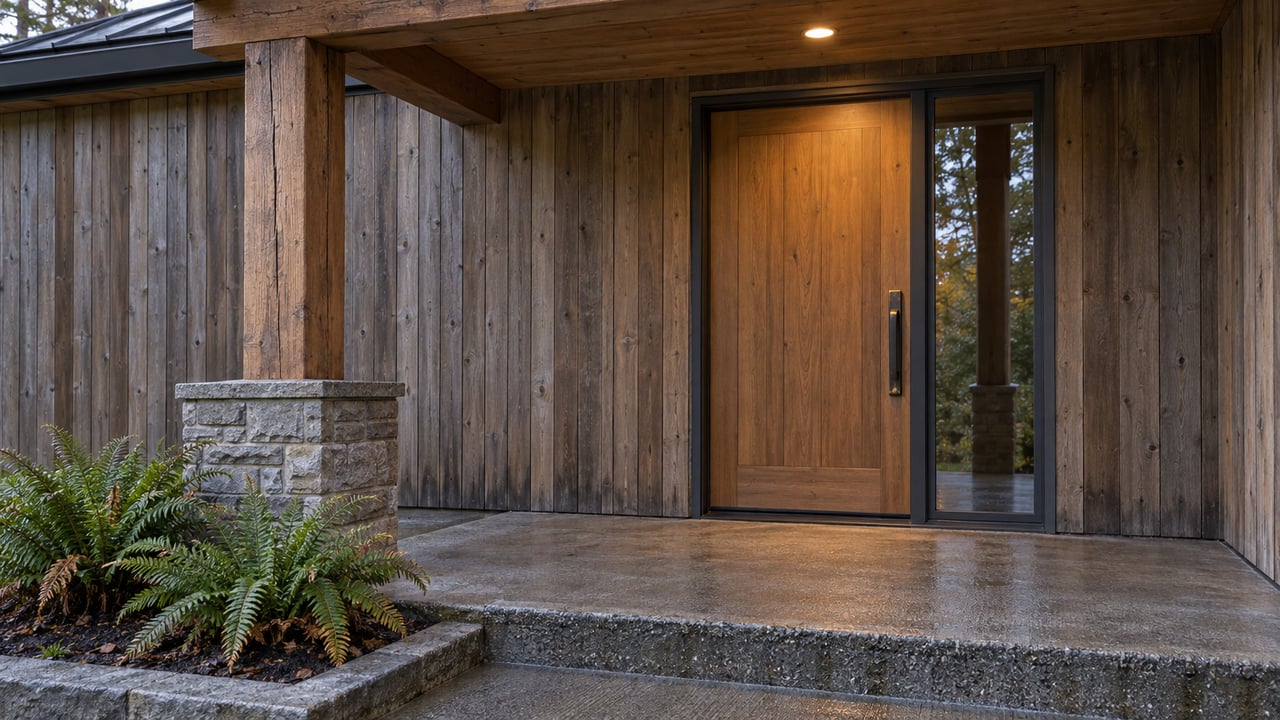
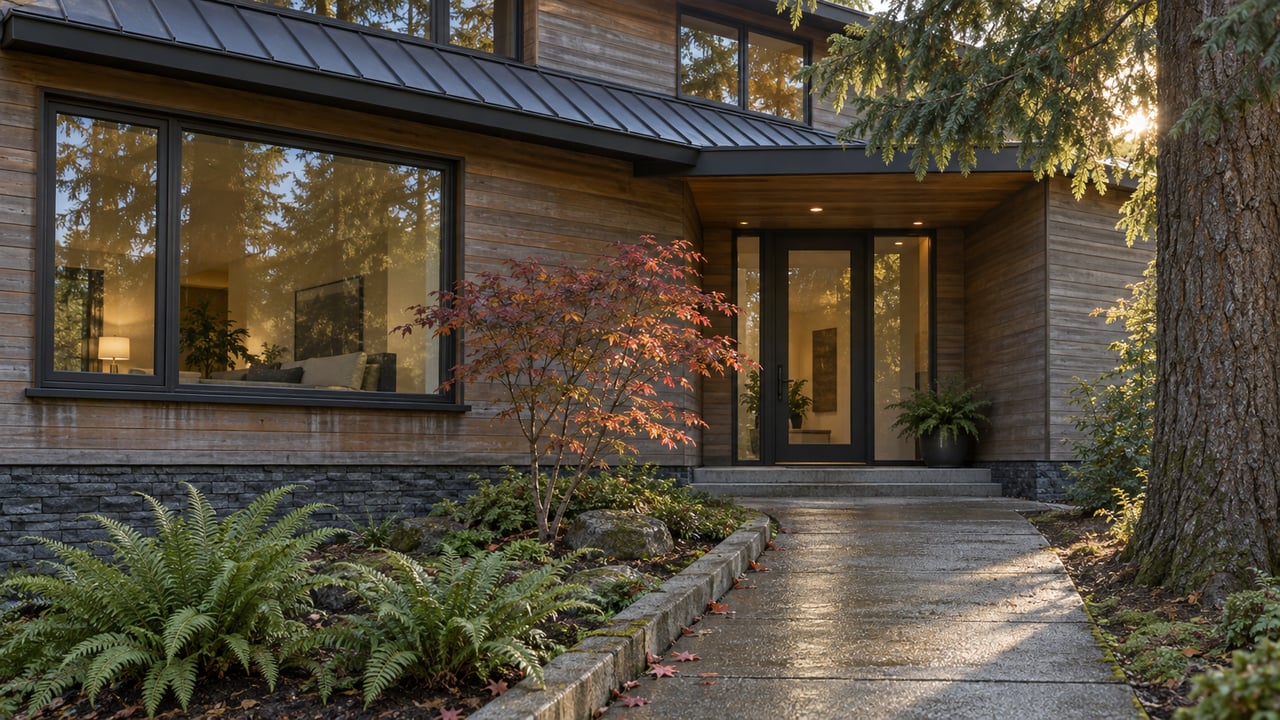
That means thoughtful prep outside the home can have an outsized effect. Clean pathways, healthy landscaping, and a well-kept front entry can help reinforce the home’s sense of place.
If you plan to use yard signs or open-house directional signs, be sure to check Bellingham’s sign code before printing or placing them. The city regulates real estate signage and open-house directionals by use type.
Know when to ask for local guidance
Some questions go beyond ordinary listing prep. If your home may be locally designated, if you have completed major rehabilitation work, or if you are considering additional exterior changes before selling, local guidance can be important.
For Fairhaven sellers, the most relevant public resources are the City of Bellingham Planning and Community Development department, the Historic Preservation Commission, and Washington’s Department of Archaeology and Historic Preservation. Local jurisdictions administer special valuation, and local review can affect eligibility where required approvals apply.
If you qualify, Washington’s special valuation program may exclude qualified rehabilitation costs from assessed value for up to 10 years. Eligibility depends on several factors, including timing, rehabilitation cost thresholds, and, for local historic-district properties, Certificate of Alteration approval.
Selling a Fairhaven home with confidence
A historic Fairhaven home can offer buyers something hard to replicate: character tied to a well-known neighborhood with a long history, a vibrant business core, and easy access to the waterfront and transportation. To sell it well, you need more than standard listing prep.
You need a plan that respects the home’s details, confirms any review requirements, and presents the property in a way that is both accurate and compelling. With the right preparation, you can help buyers see not just the house itself, but why its place in Fairhaven matters.
If you are thinking about selling and want a strategy tailored to your home, neighborhood, and goals, Julian & Company can help you prepare, position, and market your property with care.
FAQs
What makes selling a historic Fairhaven home different from selling another Bellingham home?
- Fairhaven buyers are often responding to both the home and the neighborhood’s historic, walkable, waterfront-oriented identity, so pricing, preparation, and marketing usually need to reflect that context.
Does a historic Fairhaven home automatically have renovation restrictions?
- No. In Bellingham, local historic register status is voluntary but regulatory, while National Register status is honorary and does not itself create preservation protection.
Should you verify design review rules before listing a Fairhaven property?
- Yes. Fairhaven is part of the city’s design review framework, and exterior changes or planned improvements may need to meet current urban village standards or city review requirements.
What documents help when selling an older Fairhaven home?
- Useful records include permits, Certificate of Alteration approvals if applicable, special valuation paperwork if applicable, and before-and-after photos or documentation of restoration work.
How should you price a historic home in Fairhaven?
- A strong pricing strategy should consider relevant neighborhood comps along with the home’s authenticity, condition, deferred maintenance, and whether updates respect the original character.
What repairs matter most before listing a historic Fairhaven home?
- Repairs that protect the building and its character-defining features, such as addressing roof leaks, flashing, glazing, caulking, water intrusion, and fire hazards, are often the most important.