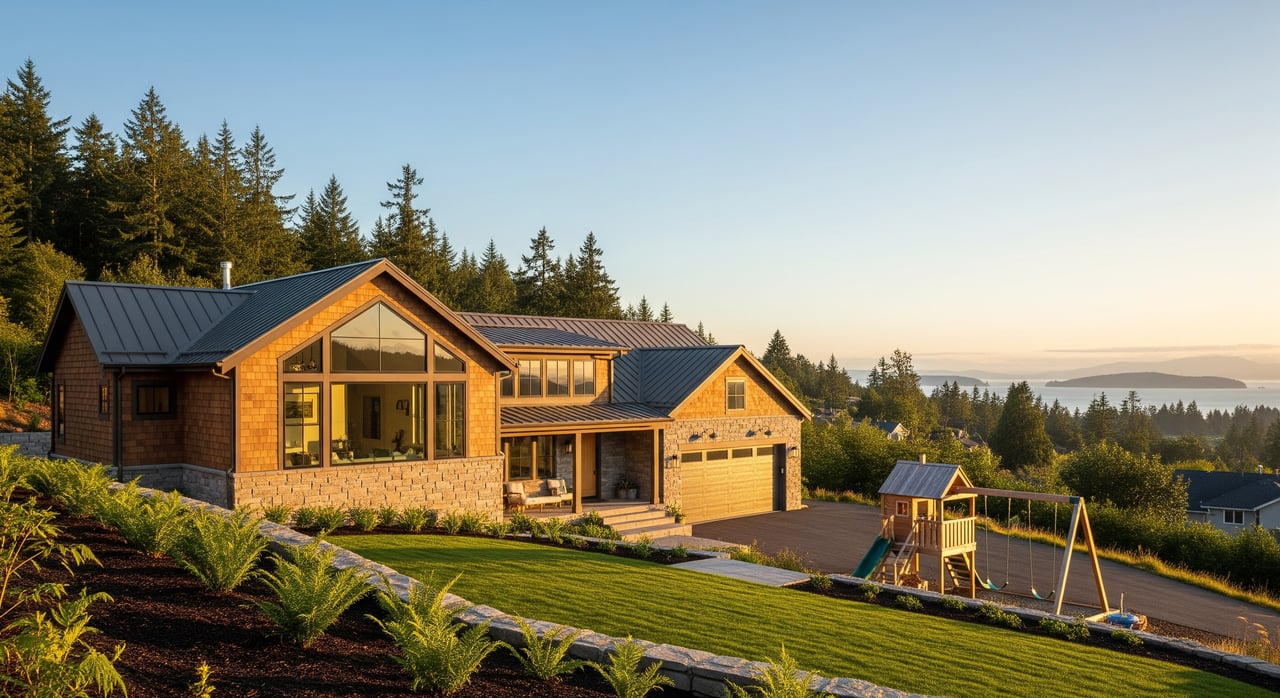
Moving to Whatcom County with kids and trying to choose between the rural space of Alabama Hill and the walkable city neighborhoods of Bellingham? You want room for play, easy access to trails and parks, and a stress-free school transition. This guide walks you through what to expect in Alabama Hill, how it compares to nearby options, and the timelines to keep your move on track. Let’s dive in.
Alabama Hill at a glance
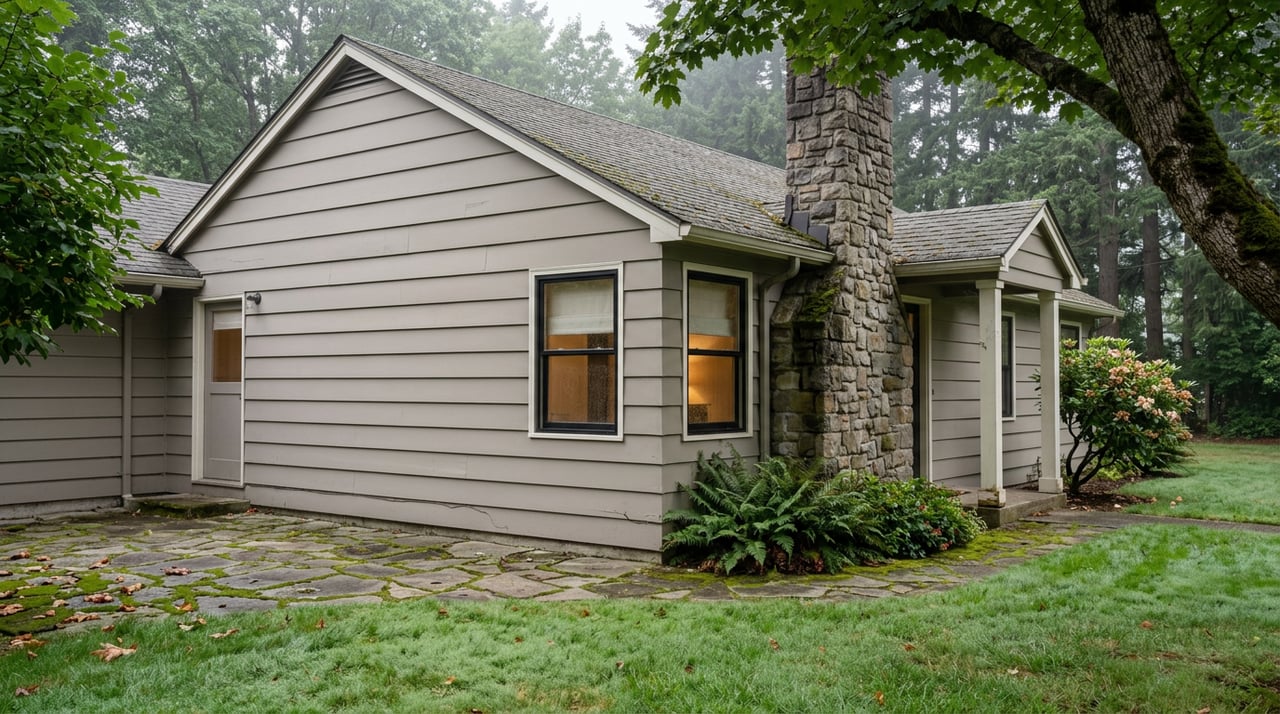
Alabama Hill sits in unincorporated Whatcom County near Bellingham. You will find a more rural feel, larger lots, and a quieter pace compared with in-city neighborhoods. Many families appreciate the privacy and room for outdoor play on their own property.
The tradeoff is convenience. You may drive farther for schools, playgrounds, pools, and after-school programs. Services like city water and sewer are not guaranteed, and broadband options can vary by address. Plan for more driving and confirm utilities early.
Nearby choices to compare
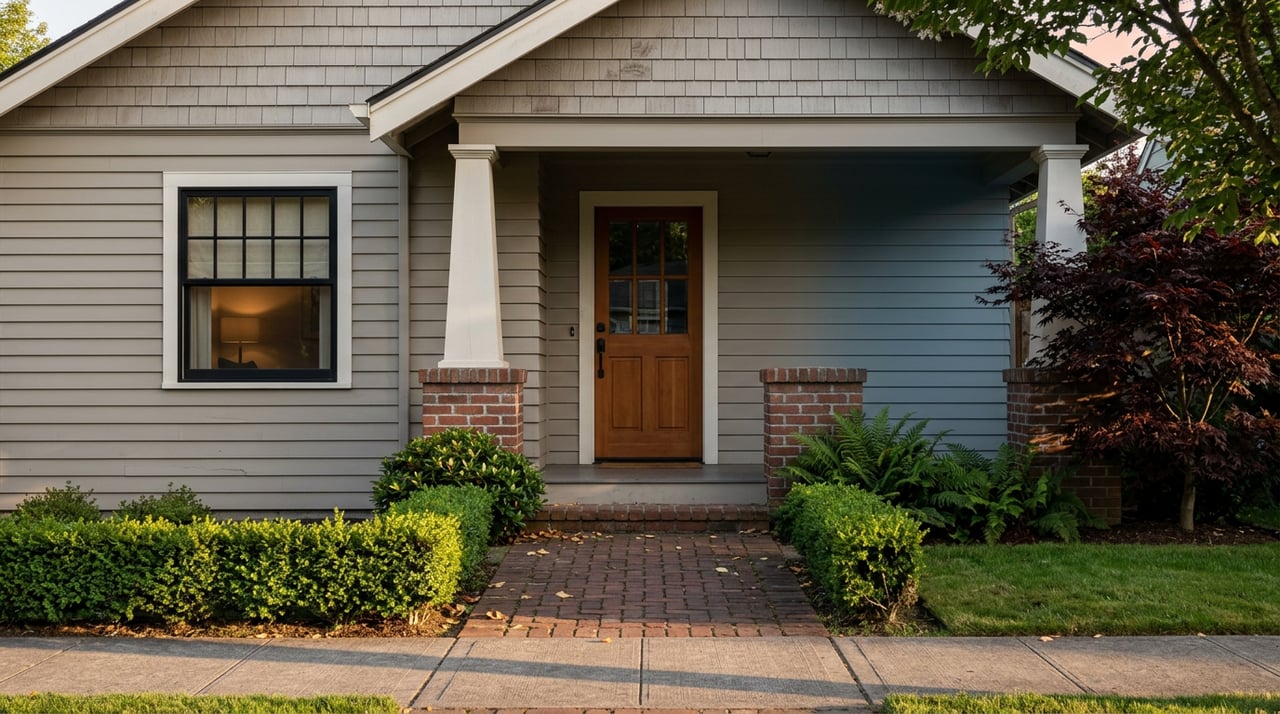
- Bellingham city neighborhoods: Fairhaven, Sehome, Sunnyland, and Happy Valley offer walkable access to schools, parks, and city services. Expect smaller lots, a mix of craftsman homes, condos, and townhomes, and city water and sewer.
- Suburban and edge communities: Sudden Valley, Ferndale, and areas on the North and East edges of Bellingham offer single-family homes and planned communities. Sudden Valley centers on lake access and community facilities, while Ferndale offers more traditional suburban shopping and schools.
- Smaller towns and rural areas: Lynden, Blaine, Everson, and the Mount Baker area offer larger lots and a quieter pace, with different school districts. You may find more space but longer drives for city amenities.
Commute and transportation
Daily Seattle travel reality
Daily commuting to Seattle from Whatcom County is uncommon for families. Many who keep Seattle-based jobs choose hybrid or remote-first schedules. For occasional trips, consider intercity rail or bus, along with flexible work hours.
Getting around locally
Most Alabama Hill residents drive for work, school, and services in Bellingham. Access often includes rural roads that can be steeper or narrower in hilly spots. Travel times vary based on your exact address and time of day, especially when merging onto the I-5 corridor.
What to verify for your address
- Use live traffic tools to check drive times at your typical commute hour.
- Look up local bus routes and frequency for the closest stop and park-and-ride options.
- Review intercity rail schedules if you plan occasional Seattle trips.
- Ask districts about winter driving and school-bus route availability on rural roads.
Parks and outdoor access
Families come to this area for the outdoors. From Alabama Hill and nearby communities, you have convenient driving access to:
- Lake Whatcom: Popular for water recreation and forested trails.
- Whatcom Falls Park and Lake Padden: City parks with trails, open space, and playgrounds.
- Galbraith Mountain: Extensive mountain biking and hiking network for all skill levels.
- Larrabee State Park and the Chuckanut corridor: Beaches, tide pools, and easy hikes with Puget Sound views.
If walking to playgrounds and recreation centers matters most, in-city neighborhoods typically provide shorter, safer routes and broader program offerings. If a private yard, woods, and quiet roads appeal to you, Alabama Hill and other rural areas can fit well.
Housing types and utilities
Rural vs. city housing
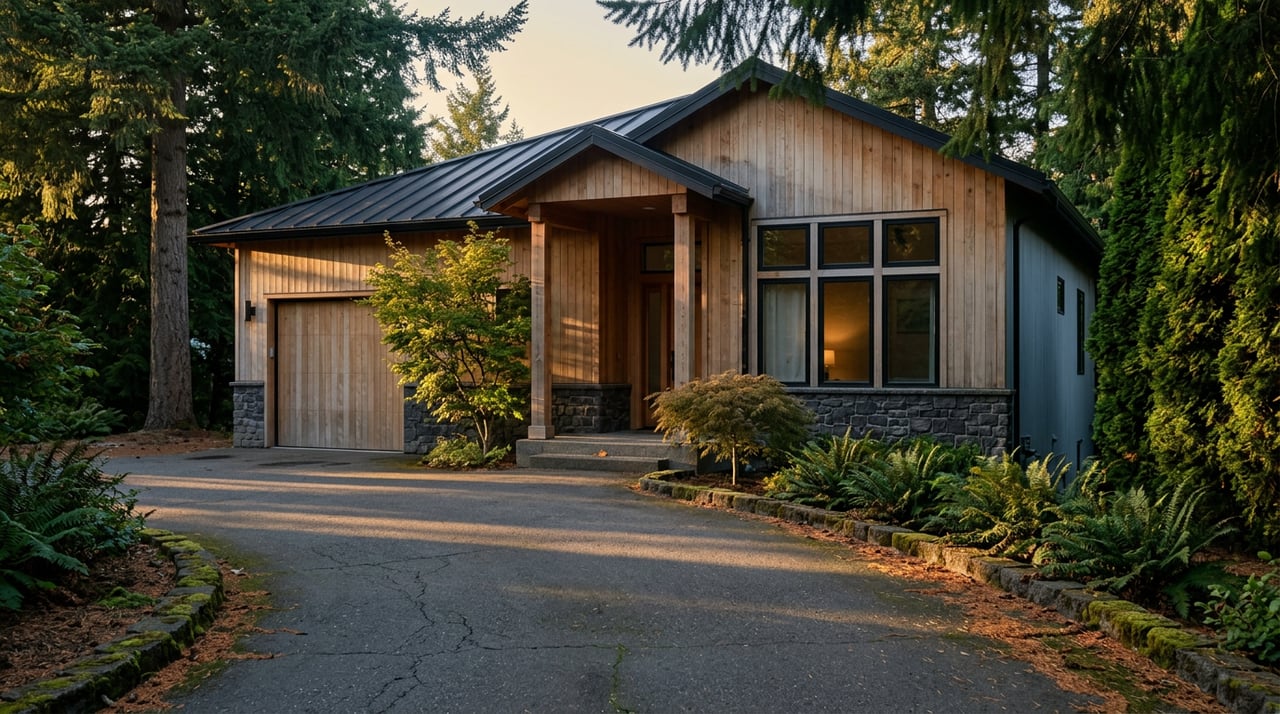
- Alabama Hill and nearby rural areas: Expect single-family homes on larger lots or acreage, plus manufactured homes and potential outbuildings. You gain privacy and space, but you will likely rely more on cars for daily needs.
- Bellingham city: A mix of older single-family homes, townhomes, and condos. You trade yard size for proximity to schools, parks, and services, plus city utilities.
Pricing and availability shift with the market. In general, rural properties may offer more space per dollar, while city homes offer convenience and walkability. Evaluate by current listings and your lifestyle priorities.
Utility differences to confirm
- Water and sewer: City addresses typically use municipal water and sewer. Rural addresses may use a private well and septic system.
- Power and heat: Electricity is standard. Rural properties may use propane. Arrange tank delivery or transfer well before move-in if needed.
- Garbage and recycling: Confirm the hauler and pickup schedule based on your address.
- Inspections and permits: For rural homes, septic and well inspections or permits can extend timelines. Build in several weeks if certifications are required for a sale or move-in.
Internet and remote learning
Broadband availability can vary widely in rural pockets. Confirm options by specific address, including cable, fiber, DSL, wireless, and satellite. If you rely on video calls or remote learning, verify download and upload speeds and consider a cellular backup or satellite alternative.
Schools and enrollment steps
Confirm your school district
Whatcom County includes multiple districts, including Bellingham, Ferndale, Lynden, Blaine, and Mount Baker. In unincorporated areas, the same road can cross into different districts. Once you have an address, check the parcel and confirm the assigned district and schools using district boundary resources or by calling the registrar.
Documents you will need
Most districts request the following:
- Proof of residency, such as a lease or deed and a current utility bill.
- Your child’s birth certificate or passport.
- Immunization records that meet Washington state requirements.
- Previous school records or transcripts for older students.
- Parent or guardian photo ID and any custody documents.
Timing tips and special programs
Start enrollment as soon as you have a confirmed address. For fall start, many families register during summer and districts open online portals months in advance. For mid-year transfers, contact the registrar right away to speed record transfers, placement, and bus assignment. If you want choice or specialty programs, review application windows and lottery dates early.
Family move timeline
3 or more months out
- Research neighborhoods and confirm school attendance zones for your target properties.
- Ask your employer about hybrid or remote work if Seattle trips are likely.
- Gather school and medical records.
- Shortlist pediatricians, dentists, and child-care options near your target area.
6 to 8 weeks out
- Start the school enrollment process with the assigned district or school.
- Contact utility providers to schedule start dates, especially internet installation.
- If buying, schedule your home inspection and any septic or well inspections.
- If renting, confirm your move-in date and keys.
2 weeks out
- Confirm movers or rental trucks and arrange parking permissions if needed.
- Set service start and stop dates for utilities and plan for final meter readings.
- Transfer medical and school records, including immunizations and transcripts.
Moving week and first week
- Verify utility activations, with internet as a top priority for work or school.
- Complete school registration in person if required and attend orientation.
- Confirm bus stop assignments or test the school drop-off route.
- Book a pediatric visit to establish care.
- Update your driver’s license and vehicle registration within the state window.
First 1 to 2 months
- Confirm garbage and recycling schedules, get library cards, and review recreation programs.
- Meet neighbors and exchange emergency contacts.
- Monitor school messages for class changes, bus updates, or program signups.
First-week essentials checklist
- Set up internet, confirm speeds, and test video calls.
- Walk your school route or drive it during drop-off time.
- Identify your nearest park or trailhead for quick family outings.
- Post utility and emergency contacts on the fridge.
- Create a family calendar with school, work, and activity schedules.
Alabama Hill vs. nearby options
- Choose Alabama Hill if you want more space, a quieter setting, and easier access to woods and yard play at home, and you are comfortable driving for schools and services.
- Choose Bellingham city if you value walkability, quick access to schools and pediatric care, and municipal utilities, and you are fine with smaller lots or attached housing.
- Explore suburbs and small towns if you want a balance of yard space and services, community facilities, or a traditional suburban layout with a defined town center.
How Julian & Company helps
Relocating with children is a big decision, and the best fit often comes down to a few address-specific details. Our team pairs neighborhood knowledge with a practical, step-by-step approach to enrollment, utilities, inspections, and move timing. We can help you compare addresses in Alabama Hill, Bellingham, and nearby towns so you can decide with confidence.
Ready to map out your move or get a read on the current market? Reach out to Julian & Company for a friendly consult or a free home valuation.
FAQs
Is daily Seattle commuting viable from Alabama Hill?
- For most families, daily commuting is impractical. Consider hybrid schedules, occasional intercity transit, and flexible hours instead.
How does Alabama Hill compare to Bellingham city for families?
- Alabama Hill offers space, privacy, and rural character, while city neighborhoods offer walkability and proximity to schools, parks, and services.
How do I confirm my child’s assigned school after moving?
- Use your full address to check district boundary resources or call the district registrar to verify the assigned elementary, middle, and high schools.
What should I know about rural utilities near Bellingham?
- Rural homes may use well and septic, plus propane for heating. Confirm system status, schedule inspections, and set up deliveries well before move-in.
How can I check internet availability at a rural address?
- Run provider availability checks by exact address and confirm speeds. If needed, plan a backup like cellular or satellite for critical connectivity.