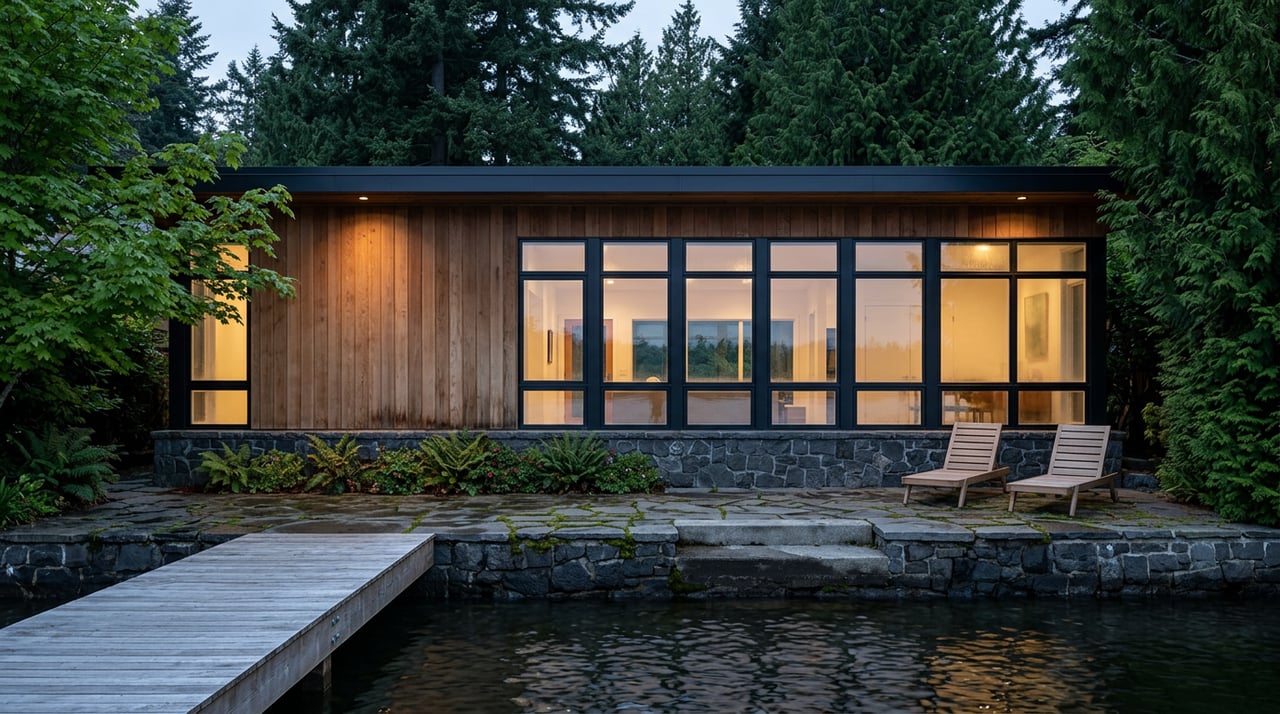
Is living on Lake Whatcom about stepping off your deck and into a boat, or is it about waking to a sweeping blue view and morning sun? If you are shopping in 98229, you will see “waterfront,” “view,” and “near-lake” used often, and each choice changes your budget, permits, and daily life. You want clarity before you fall in love with a photo. In this guide, you will learn how to compare true waterfront to view and near-lake homes around Lake Whatcom, what rules and costs matter most, and how to match the right property to your lifestyle. Let’s dive in.
What counts as waterfront, view, and near-lake
Not all “lake homes” are the same. Here is how buyers in 98229 usually sort them:
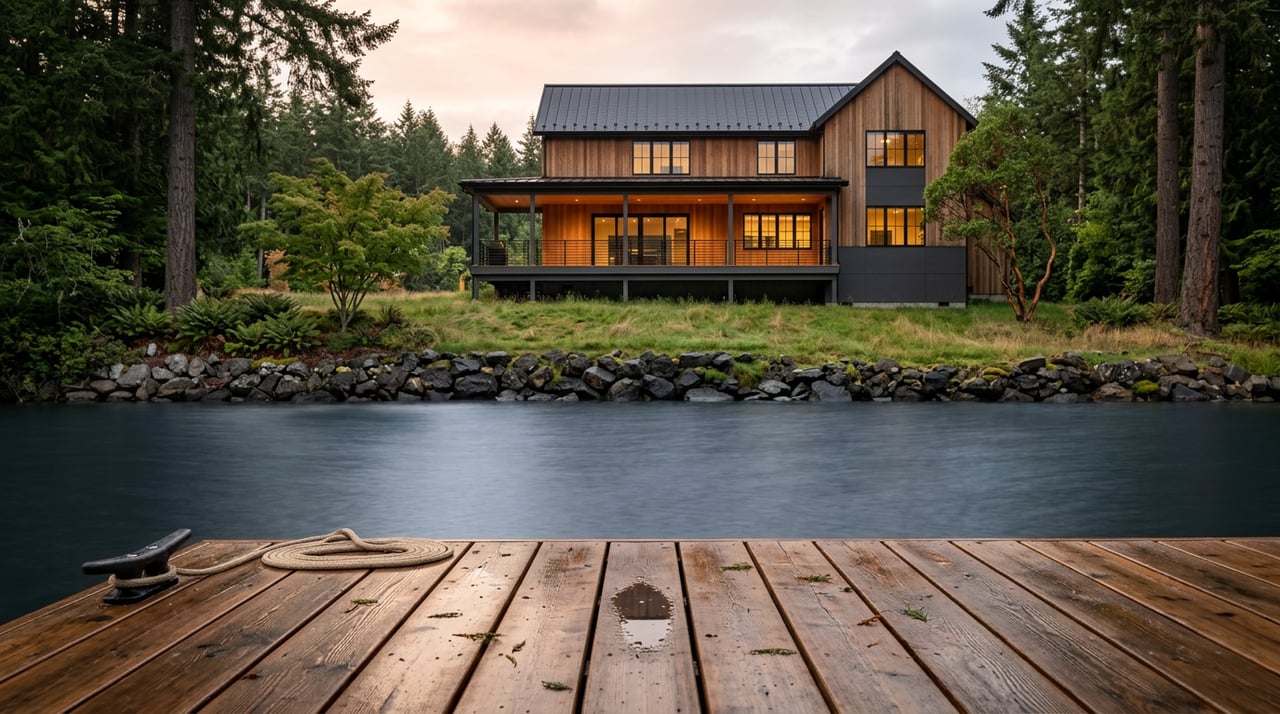
- Waterfront: Your parcel touches the shoreline and offers direct access. In Washington, shoreline use and any dock structure are permit dependent, and your rights are shaped by state and county rules. Washington courts have confirmed that control below the ordinary high water mark is limited by law, so always treat dock and overwater use as regulated, not automatic. See Washington Supreme Court context on shoreline rights for background in this area of law. Read the court precedent.
- Near-lake or water-access: You do not own shoreline, but you have deeded or HOA access to a community beach, dock, or marina. This is common in Sudden Valley. You get practical boating and swim access with fewer shoreline maintenance obligations.
- View: You see the lake from across the road or from a higher slope, but you do not have private shoreline or moorage. View homes often trade for less than true waterfront and can have better sun, privacy, and fewer permit needs.
Why Lake Whatcom rules matter
Lake Whatcom is the region’s drinking-water source. That shapes what you can build, when you can work, and how you maintain a shoreline home. Lake Whatcom Management Program partners layer protections on top of standard city and county codes.
- Seasonal work window: Ground-disturbing work in the watershed generally runs June 1 through September 30 to protect water quality. Plan landscaping, excavation, and shoreline projects around this window. See the county’s watershed regulations for timing and scope. Check the work window.
- Ongoing stewardship: Fertilizer and phosphorus rules, septic operation and maintenance, and boat inspection programs are active and affect how you use and care for a lake-adjacent property. You can track current programs and requirements through the program’s news feed. See current watershed programs.
Shoreline Master Program basics you should know
Whatcom County completed a Shoreline Master Program update that modernizes how docks, bulkheads, vegetation, and setbacks are managed. The Department of Ecology approved the county’s amendments, and code updates and maps were posted in March 2025. Start with the county’s program page to understand today’s rules. See the SMP update.
- Dock and moorage: Title 23 sets clear limits on area, width, and length, and requires the minimum length needed to reach navigable depth. Replacement of older structures usually must meet current standards. If you want to add or enlarge a dock, the code will decide what is possible. Review Title 23 dock standards.
- Shoreline stabilization: The county favors soft stabilization and places strict conditions on new hard armoring. In many reaches, new bulkheads are limited or not allowed without strong geotechnical proof. That affects long-term erosion control costs and usable beachfront. See stabilization policies.
- Vegetation management: Buffers are designed to protect water quality and habitat. Wholesale tree removal is limited, though selective pruning for views may be allowed under a vegetation plan. Plan for tradeoffs between a natural shoreline and an open view. Read vegetation standards.
- Permitting paths: Depending on project value and impacts, you may need a shoreline exemption, substantial development permit, conditional use, or variance. Some “normal residential appurtenances” can be exempt, but the exemption is narrow. Larger projects include timelines and public notice steps. Understand permit procedures.
Price patterns and value drivers in 98229
There is no single percentage premium that fits every Lake Whatcom property. In 2024, the countywide median sale price was about 635,000, and Bellingham’s median was about 765,000. Sudden Valley’s median was lower than Bellingham and near 575,000. These give you a baseline to compare view and waterfront options in 98229. See the local market summary.
What pushes value up or down on the lake:
- Frontage: More linear feet and no-bank or sandy frontage tend to command higher prices.
- Moorage: Legal, permitted private moorage can be a major premium. Shared moorage can balance access and cost.
- Access and road type: Public road access and gentle driveways improve year-round ease. Steeper, private roads can affect winter access and insurability.
- Utilities: Sewer service lowers long-term risk versus older septic. Where septic is present, condition and replacement risk matter.
- House condition: Many older cottages carry strong land value but may need remodeling. Large, remodeled view homes can approach or exceed some modest waterfront options.
Ongoing costs you should plan for
Waterfront ownership has special recurring and capital costs. View and near-lake homes often reduce these.
- Dock and shoreline upkeep: Expect repair, replacement cycles, and permitted shoreline improvements over time. Policies favor soft stabilization, which can shift costs and methods. Review shoreline policies.
- Taxes: Taxes follow assessed value. Waterfront parcels usually have higher assessments and tax bills than similar inland or view homes.
- Water and sewer: Many areas around Lake Whatcom, including parts of Geneva, North Shore, and Sudden Valley, are served by the Lake Whatcom Water and Sewer District. The district treats and delivers drinking water in Sudden Valley and owns systems for other pockets. Sewer is conveyed to the City of Bellingham for treatment. If a home is on septic, plan for regular inspections and operation requirements. Confirm service and rates.
- Flood and insurance: Lakefront parcels may sit outside FEMA Special Flood Hazard Areas, yet still face localized flooding or wave and wake impacts. Check FEMA maps, consider an elevation certificate, and consult an insurer. Local surveyors can help determine flood elevation needs. Learn about flood services.
- Boat use rules: Lake Whatcom’s aquatic invasive species and boat inspection programs may affect launch and moorage routines, especially for near-lake owners who rely on community facilities. See boating and AIS updates.
Lifestyle tradeoffs at a glance
Use this quick table to compare.
| Feature | Waterfront | Near-lake access | View |
|---|---|---|---|
| Access | Direct shoreline and potential private moorage, subject to permits | Community beach or dock, HOA rules apply | No private shoreline, public access off site |
| Price tendency | Highest due to frontage and moorage | Lower than waterfront, varies by amenities | Often lower than waterfront, larger homes for same budget |
| Permits | Highest complexity for shoreline work | Lower, since you do not manage shoreline | Lowest, focus on standard building permits |
| Maintenance | Dock, shoreline, vegetation buffers | Minimal shoreline upkeep by owner | Typical landscape and slope care |
| Taxes | Higher assessed value is common | Moderate | Moderate to lower |
| Privacy and sun | Varies by frontage and trees | Varies by location and HOA design | Often more privacy and better winter sun |
| Noise/wake | Boat and wake activity nearby | Activity at shared areas | Quieter, set back from the water |
Who should pick which property type
- Pick waterfront if you boat often, want guests to step onto a dock, and are comfortable planning around permits and maintenance.
- Pick near-lake if you want practical access without full shoreline costs, and you are fine with HOA rules and shared facilities.
- Pick view if you value space, sun, and privacy, and do not need private moorage.
Three buyer scenarios in 98229
These are common patterns we see on Lake Whatcom and in Sudden Valley. Always verify current pricing with fresh MLS data.
- Budget under 600,000: You will likely focus on near-lake or view homes in Sudden Valley, including condos, townhomes, or hillside houses with lake peeks or broader views. Plan for HOA dues that cover shared amenities.
- Budget 600,000 to 1.2M: You may find smaller waterfront cottages with modest frontage, or larger updated view homes near the lake. Expect to confirm septic status and any dock permits early in due diligence.
- Budget 1.2M and up: You can target premium waterfront with larger frontage, modern updates, and private moorage. Plan for higher taxes, insurance, and shoreline stewardship.
How to compare two specific homes
When you tour a waterfront and a view property side by side, stack them against the same checklist:
- Price and taxes
- Assessed value and annual property tax. Are you paying a waterfront premium that also shows up in taxes?
- What is the real price difference after factoring expected maintenance over 10 years?
- Access and use
- How easy is year-round access to the driveway and main entry? Is the road public or private, and how steep is it in winter?
- For waterfront, confirm permitted moorage, dock dimensions, and condition. For near-lake, confirm your rights to use community docks and beaches.
- Utilities and systems
- Is the property on sewer, or is it on septic with documented inspections and capacity? Check LWWSD resources.
- Permits and constraints
- For any shoreline structure, pull permit history and as-builts. Replacement usually triggers current code standards. See Title 23 for triggers and permit procedures.
- Risk and insurance
- Check FEMA flood status and talk with your carrier about shoreline exposure. Consider an elevation certificate where needed. Local flood help.
Local insight for 98229 buyers
- Sudden Valley: Expect a wide range of near-lake and view homes with community amenities. HOA rules set standards for shared docks and beaches. Budget for dues and check boat slip availability early.
- Geneva and North Shore: You will see more true waterfront and larger view homes. Frontage quality and moorage status are major value drivers here. Shoreline vegetation and slope stability will guide design choices.
- All around Lake Whatcom: Plan projects around the dry-season work window and review vegetation plans before pruning for a view. The combination of watershed protections and the updated Shoreline Master Program sets the framework for what is possible on the shoreline. Start with the SMP overview and watershed regulations.
Your due diligence checklist
Use this list to make a confident choice and avoid surprises:
- Confirm where the ordinary high water mark lies and request permits and as-builts for any dock or bulkhead. Review Title 23.
- Ask Whatcom County Planning if prior overwater structures were permitted and whether replacement triggers modern standards or a conditional use. See permit procedures.
- Verify LWWSD service or septic status, and understand connection and rate details. Check LWWSD FAQs.
- Pull recent septic operation and maintenance records where applicable, and look into watershed inspection or rebate programs. See watershed news.
- Check FEMA flood maps and obtain an elevation certificate if needed, then confirm insurance terms with a local carrier. Learn about flood services.
- For view properties, confirm which trees can be pruned under vegetation rules to preserve views. Read vegetation standards.
Ready to compare two homes on your short list? Reach out to a local team that knows Lake Whatcom’s shoreline rules, HOA patterns, and pricing history. You will get a side-by-side analysis of permits, utilities, and long-term costs so your choice is clear. Connect with Julian & Company for tailored guidance. Get your free home valuation, start the conversation.
FAQs
What makes Lake Whatcom waterfront more expensive than view homes?
- Several factors add to the premium, including private shoreline and potential moorage, frontage length and quality, and higher assessed values that signal demand. Updated shoreline rules also make legally permitted docks and improvements more valuable.
How do Lake Whatcom watershed rules affect remodels and landscaping?
- Ground-disturbing work usually must happen in the June 1 to September 30 dry season, and shoreline buffers limit tree removal. Expect to plan around the seasonal window and follow vegetation management standards.
Can I add or enlarge a dock on Lake Whatcom?
- It depends on Title 23 standards, lake depth, frontage, and prior permits. Docks must be the minimum length needed for navigable depth, and replacement often must meet current code.
Do near-lake homes in Sudden Valley include boat slips?
- Some communities offer docks or marinas, but access and slip availability vary by HOA. Review the deeded rights and HOA rules before you rely on a slip.
Are flood insurance and elevation certificates required for lakefront homes?
- Many lakefront parcels are outside FEMA Special Flood Hazard Areas, but localized flooding and wake impacts can occur. Check FEMA maps, consult an insurer, and obtain an elevation certificate if requested by your lender.
Who provides water and sewer service around Lake Whatcom?
- Many neighborhoods are served by the Lake Whatcom Water and Sewer District. Some homes are on septic, which requires regular operation and maintenance under watershed programs.