By Julian & Company
If you're buying or selling in Bellingham, the age of a home will come up — in the appraisal, in negotiations, and probably in your own thinking as you walk through properties. What most people assume is that newer automatically means more valuable. In practice, the relationship between home age and market value is far more nuanced than that, and in a market like Whatcom County, it matters to understand how the two actually connect.
Key Takeaways
- Home age is one factor in pricing — condition, location, and updates carry more weight
- Appraisers evaluate "effective age," not just the year a home was built
- Older Bellingham homes in established neighborhoods often hold or exceed the value of newer builds
- Strategic updates to aging systems can significantly close the gap between older and newer properties
Why Age Alone Does Not Determine Value
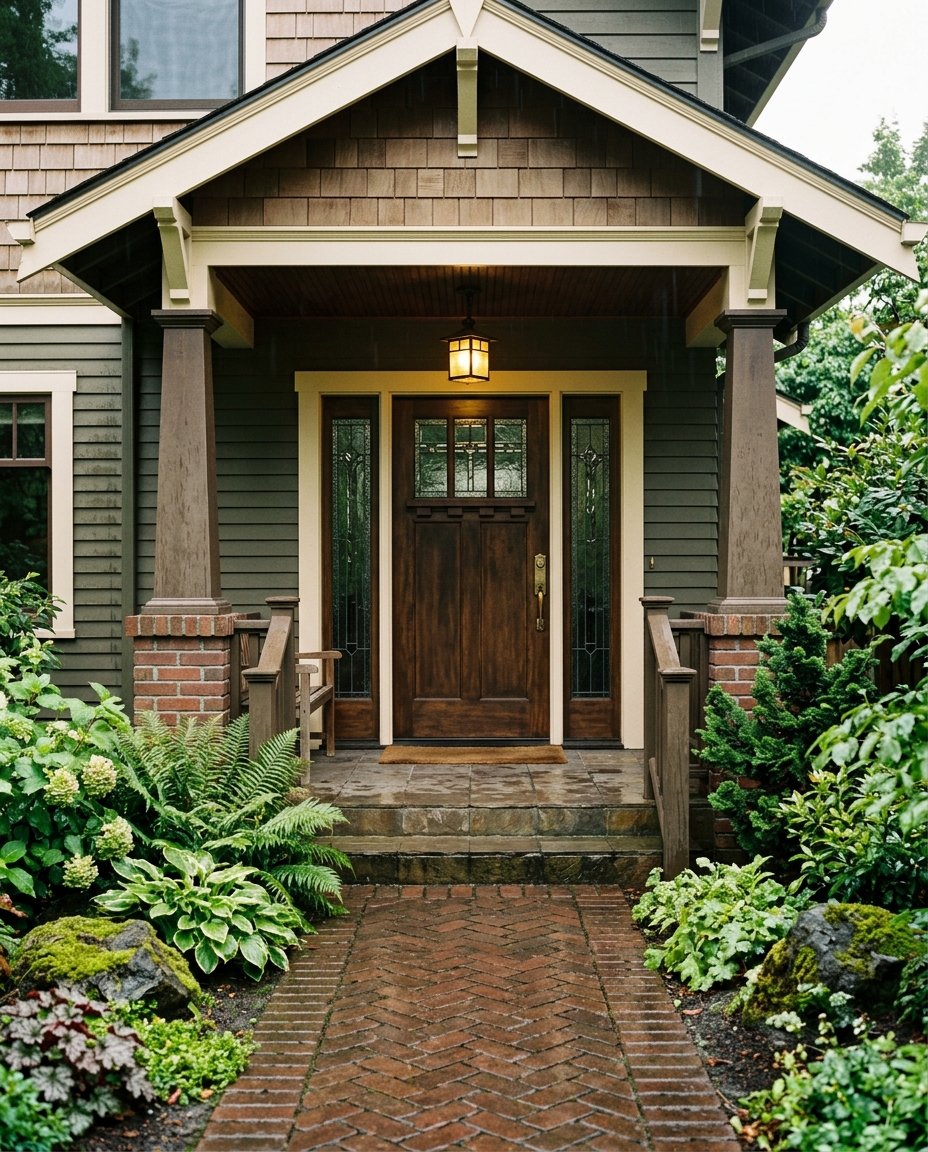
A 1960s craftsman in Edgemoor and a 2010 build near Cordata can sell for similar prices — not because age is irrelevant, but because other factors often outweigh it. Location, condition, and how well a home functions for today's buyers all play a larger role than the year it was permitted.
What appraisers actually evaluate is something called effective age — an estimate of how old a home feels and functions based on its current condition. A 1950s home with a new roof, updated electrical, and a renovated kitchen may carry an effective age decades younger than a 2005 build with deferred maintenance and original systems throughout.
Key factors that shape effective age:
- Roof condition and age
- HVAC system — type, age, and service history
- Plumbing and electrical updates
- Foundation integrity
- Windows and insulation
How Bellingham's Housing Stock Breaks Down
Bellingham has a genuinely mixed housing stock, which shapes how age plays out in pricing. A significant share of homes were built between 1970 and 1999. A meaningful portion dates to before 1939, concentrated in the historic neighborhoods closest to downtown and Western Washington University. Newer construction accounts for about 30% of the city's units, much of it located further from the city core.
Each bracket has its own value dynamics. Pre-1970 homes in South Hill, Edgemoor, and the Lettered Streets tend to hold strong values because of their locations — walkable, supply-constrained, close to Whatcom Falls Park and Boulevard Park. Buyers there accept older systems in exchange for access and character.
What buyers should know by age bracket:
- Pre-1970: Expect charm and prime location; budget for system updates
- 1970–2000: Maintenance history is critical — major systems may be at or near end of life
- Post-2000: Move-in ready appeal, but often located further from the city center
When Older Homes Win on Price
Location is the one factor age cannot override. Older homes in supply-constrained areas — Lake Whatcom waterfront, the Chuckanut foothills, Edgemoor — hold value regardless of age because there is no new inventory being built there. Buyers who want those neighborhoods accept what the housing stock offers.
There is also an architectural case. Bellingham has a number of older homes with old-growth Douglas fir floors, solid wood trim, and craftsmanship that newer construction does not replicate. Buyers willing to pay for those details often find older homes more competitive, not less.
Common value advantages in older Bellingham homes:
- Established, mature neighborhoods with limited new supply
- Larger lots, particularly in South Hill and Edgemoor
- Architectural details not available in newer construction
- Proximity to downtown, parks, and Western Washington University
What Sellers of Older Homes Should Do
Documentation matters more than most sellers realize. Buyers and their agents factor renovation costs into offers, and a clear maintenance record — new roof in 2020, heat pump installed in 2022 — dramatically reduces the uncertainty that drives lowball offers. A pre-listing inspection is worth considering so you can address issues on your timeline rather than under contract pressure.
The updates that move the needle most in Bellingham's market are the ones buyers care about most. Cosmetic improvements are nice; structural and mechanical updates are what support the appraisal.
High-impact updates for older Bellingham homes:
- Roof replacement
- HVAC and heat pump upgrades
- Electrical panel modernization
- Water intrusion prevention and drainage improvements
Frequently Asked Questions
Does a newer home always appraise higher than an older one in Bellingham?
Not necessarily. Appraisers compare similar homes in similar locations — so an updated 1970s home in Sehome is compared to other updated homes in Sehome, not to new construction in a different neighborhood. Condition and location often matter more than year built.
Will FHA or VA financing work on an older Bellingham home?
It depends on the property's condition. FHA and VA loans carry stricter standards than conventional financing. Older homes with deferred maintenance — outdated electrical, water intrusion, roof issues — may not clear those requirements without repairs. It is worth knowing your financing type before making offers on older properties.
How much can updates increase the value of an older home in Whatcom County?
It varies by update and location, but mechanical updates — roof, HVAC, plumbing — typically have the strongest impact on appraisal value and buyer confidence. Cosmetic renovations help with marketability but tend to return less dollar-for-dollar than major system updates.
Buy or Sell a Bellingham Home With Julian & Company
Whether you are drawn to a historic craftsman in South Hill or a newer build near Lake Whatcom, the age of a home shapes how it is priced, appraised, and negotiated. Those details matter when you are making one of the largest financial decisions of your life.
At Julian & Company, we work across Bellingham and Whatcom County every day. We know which neighborhoods command premiums for older homes, which updates actually move the needle, and how to position any property — regardless of age — to perform well in this market.
Reach out to us to learn more about how we evaluate and price homes across Bellingham and Whatcom County.