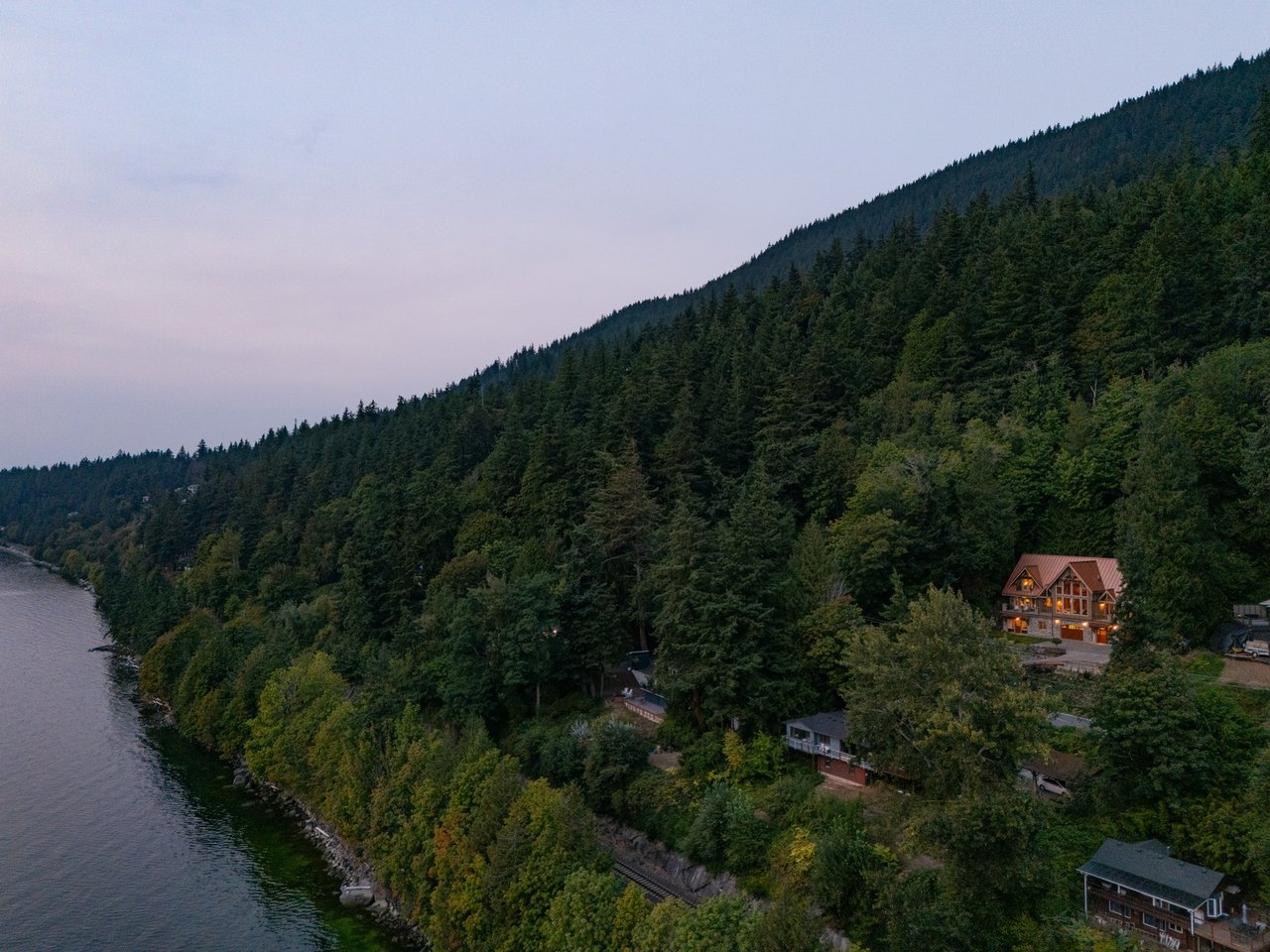
Photo by: Chris Howard at HiDrive Photo | hidrivephoto.com
Ever picture yourself winding home along a cliffside road with water views and evergreen hills all around? Buying on Chuckanut Drive in 98229 can deliver that feeling, but it comes with unique roads, rules, and logistics that are different from an in‑town purchase. You want the views and access without surprises after closing. In this guide, you will learn how Chuckanut’s micro‑locations differ, what to expect when touring, and the key steps that protect your investment. Let’s dive in.
The Chuckanut appeal
You are shopping one of Washington’s classic scenic corridors. Chuckanut Drive Scenic Byway follows the eastern edge of the Chuckanut Mountains between Bellingham and Larrabee State Park. The road is narrow and winding with low‑density development. Homes range from cabins and seasonal getaways to purpose‑built residences set along the shoreline or tucked into the hillside forest.
Waterfront and panoramic view homes often command a premium. Smaller inland parcels or homes with filtered views can be more accessible on price. Because inventory is limited and each property is unique, your strategy matters as much as your wish list.
Micro‑locations to compare
North end near Bellingham
These homes sit closest to downtown and Fairhaven, which can shorten your commute and put services within easy reach. Lots may be smaller and closer to SR‑11. Expect more road activity in summer and on fair‑weather weekends.
Samish Bay and lowlands
Flatter parcels near Samish Bay can offer easier driveways and tideland proximity. If you want beach or near‑beach living, this area can work. Plan to confirm shoreline rules and any tideland boundaries before you buy.
Hillside and forest parcels
Up‑slope properties trade easy access for privacy and elevation. Longer private roads and steep drives are common. These sites may warrant geotechnical review because of slope and drainage considerations.
South end near Larrabee
Proximity to Larrabee State Park means quick access to trails and beaches. Homes can feel more secluded and oriented toward views of the islands and Samish Bay. Summer road use is heavier near trailheads and day‑use areas.
Off‑road spurs and private roads
Some homes sit off the highway on steep, narrow private roads or gated lanes. Shared maintenance and recorded easements are typical. Review these agreements early so you understand costs and access rights.
Trails, parks, and shoreline
Larrabee and nearby trails
Larrabee is the local hub for hiking, picnicking, and saltwater access. The park connects to popular routes, including the Oyster Dome hike, which draws visitors for wide views of the islands and Samish Bay. Expect busy parking on sunny weekends and holidays.
Beach and tideland basics
In Washington, public tidelands generally extend to the mean high tide line. Private property often begins above that line unless documents say otherwise. Before you rely on beach access, confirm shoreline boundaries, easements, and local rules through Washington’s shoreline program and recorded documents.
Touring on Chuckanut
Driving and parking realities
SR‑11 is a two‑lane, curving road with limited shoulders and blind corners. WSDOT guidance on the Chuckanut Drive Scenic Byway reminds drivers to use caution. Some homes require steep single‑lane drives that can challenge low‑clearance vehicles or trailers. Plan where you will park before each showing.
Seasonality and timing
Summer and holidays bring more traffic, trail users, and parked cars near popular trailheads. In winter, icy conditions and rockfall potential can slow travel and complicate access to steep driveways. Build in extra time and consider a second visit in a different season to compare privacy, light, and views.
Showings and access
Many properties require scheduled appointments and have limited windows for access. Remote or seasonal homes may have stricter showing hours. Ask your agent to confirm any gated roads, parking rules, or vehicle needs before you go.
Connectivity check
Cell and data coverage can be spotty along the corridor. Test your provider where you plan to live. The FCC broadband and mobile coverage maps can help you anticipate service options.
Due diligence priorities
Title, access, and easements
Private roads and shared driveways are common. Review recorded easements, CC&Rs, and any road maintenance agreements to understand cost sharing and responsibilities. The county’s recorder and assessor resources on Whatcom County’s website can help verify recorded documents.
Septic and wells
Many homes use private septic systems and wells. Lenders and insurers often require current permits, maintenance records, and inspections. Schedule septic evaluations and well yield or water quality tests early. You can find public health guidance through Whatcom County Health.
Shoreline and critical areas
Steep slopes, wetlands, and shoreline buffers are part of the local landscape. If you plan a remodel or new structure, check permit requirements and potential limits with Whatcom County Planning and Development Services. Pre‑application conversations can save time and prevent surprises.
Inspections and specialized reports
For hillside or bluff sites, a geotechnical report and slope stability review may be smart. For waterfront, ask about shoreline erosion and bank protection. Older homes may need full systems checks, including roof, foundation, electrical, septic, and well.
Financing unique homes
Appraisals can be tricky when there are few nearby comparables for a view or waterfront property. Strategies can include larger down payments, appraisal gap coverage, or a portfolio lender that understands unique assets. If you plan to use FHA or VA financing, be prepared to document vehicular access and well or septic compliance under HUD property requirements.
Competing for one‑of‑a‑kind listings
- Get fully underwritten pre‑approval before touring top targets.
- Consider pre‑inspections on high‑interest homes so you can shorten timelines.
- Strengthen your offer with clear earnest money and a fair escalation cap when appropriate.
- Offer flexible closing or possession that fits a seller’s seasonal schedule.
- Lean on local expertise to surface deal risks early and tailor terms that match the property.
Ownership care and risk
Coastal exposure and upkeep
Ocean‑facing homes see more salt and wind. Expect faster wear on exterior metals, hardware, and paint. Plan for more frequent maintenance, and choose materials designed for coastal use.
Wildfire and emergency access
Check evacuation routes and local fire resources, especially on remote spurs or forested lots. Insurance availability and cost can vary with terrain and hydrant access. Review guidance from the Washington Department of Natural Resources.
Quick buyer checklist
Before touring
- Confirm showing times, gate codes, and parking with the listing agent. Ask if 4WD is recommended.
- Check weather and road alerts and plan for shoulder‑season delays.
- Download offline directions and bring a paper map for low‑coverage areas.
During touring
- Scan for steep drop‑offs, driveway slope, shoreline erosion, and signs of shared road use and markers.
- Note cell coverage at the house. Ask about internet providers.
- Request any road or HOA documents early if the property is on a private lane.
After an offer
- Schedule septic, well, and any needed geotechnical inspections right away.
- Verify recorded access, easements, and shoreline permits through Whatcom County’s website.
- If you plan changes, speak with Whatcom County Planning and Development Services about critical areas and shoreline rules.
- Confirm loan program fit and appraisal strategy with your lender and, if needed, review HUD property requirements.
Work with a local team
Buying on Chuckanut is part lifestyle, part logistics, and part due diligence. You deserve a calm, well‑planned process that gets you the right house without regret. Our team lives and works in Bellingham, and we have represented clients across hillside, waterfront, and near‑park locations throughout Whatcom County. If you want a thoughtful search plan, vetted showing routes, and clear offer strategy, reach out to Julian & Company to start a conversation.
FAQs
What makes Chuckanut Drive different from other Bellingham areas?
- It is a scenic, winding corridor with low‑density homes, seasonal traffic, and unique access and permitting considerations that benefit from local planning and careful due diligence.
How do I confirm beach or tideland access on a property?
- Review the title report and recorded easements, then verify shoreline boundaries and rules through Washington’s shoreline program and county records.
What inspections are most important for a hillside or bluff home?
- In addition to general home, septic, and well checks, consider a geotechnical report for slope stability and evaluate shoreline erosion risk if the property is near the water.
Will I have cell and internet coverage along Chuckanut?
- Coverage varies by carrier and micro‑location, so test at the property and review the FCC broadband and mobile coverage maps to understand likely service.
How does financing work for a unique waterfront or view home?
- Appraisals can be challenging, so plan for appraisal strategies like larger down payments or portfolio lending, and confirm any FHA or VA requirements with HUD.