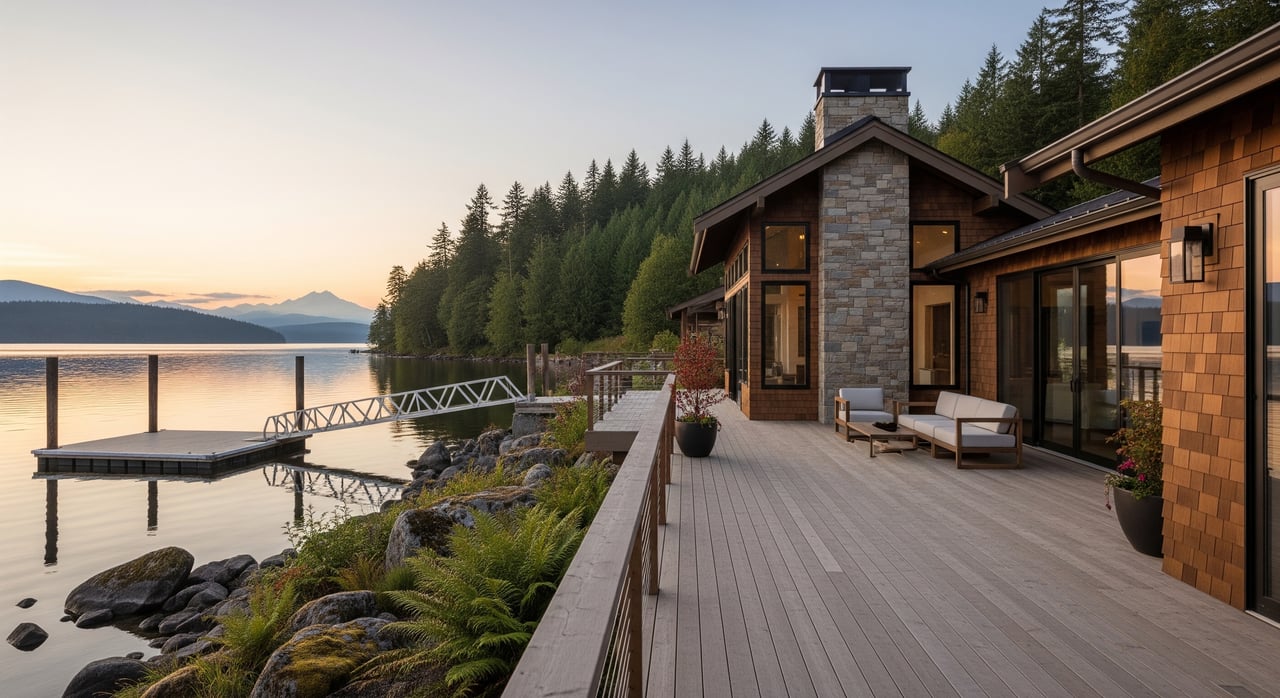
Thinking about a home surrounded by trees, beaches, and lake views, but still close to Bellingham? If you are comparing Sudden Valley to in-town neighborhoods, you are not alone. Many buyers love the outdoor lifestyle and privacy here, but want to understand the tradeoffs. In this guide, you will learn what to expect with housing types, HOA rules, inspections, insurance, and daily life so you can decide if Sudden Valley fits your goals. Let’s dive in.
Sudden Valley at a glance
Location and lifestyle fit
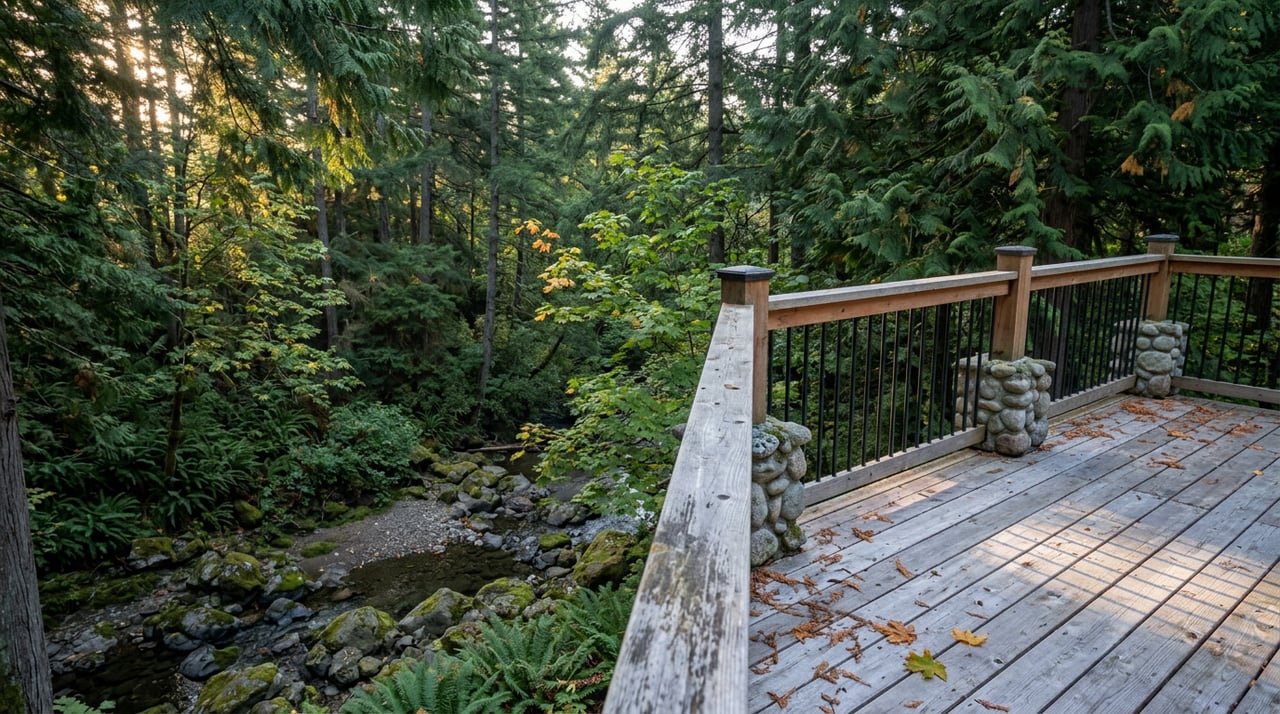
Sudden Valley is an unincorporated residential community in Whatcom County, just outside Bellingham. It is a planned community set around a central lake environment with extensive open space. You will notice a more suburban and rural feel than in-town Bellingham, with forested parcels and larger lots in many areas.
Amenities and outdoor access
You will find community beaches, boat launches, and small docks, which are core features for residents. There are parks, wooded trails, and open space throughout the neighborhood. Community buildings, a golf course, and recreation centers shape daily life and influence HOA operations.
Lifestyle tradeoffs to weigh
You gain privacy, greenery, and easy access to the outdoors. Everyday errands, medical visits, and some services usually mean longer drives than living in central Bellingham. Nights are darker with less street lighting, and you will share space with local wildlife.
Housing and pricing context
Common home types
- Single-family detached homes across a wide range of sizes and ages.
- Lakefront and lakeview properties that often command a premium.
- Townhomes and condos for lower-maintenance living.
- Older and custom homes, plus newer infill and remodels that can vary in condition and inspection needs.
How prices compare
Prices in Sudden Valley vary based on proximity to water, lot size and slope, home age and upgrades, and access to amenities. Smaller interior homes and many condos tend to be on the lower end of the community range. Lakefront, larger-lot, and fully renovated homes sit at the high end and can approach or exceed prices for similar homes in Bellingham. Market dynamics shift with the season, so review current MLS data for price-per-square-foot, days on market, and recent sales when you are ready to buy.
Taxes, dues, and insurance
- Property taxes are set by Whatcom County and local taxing districts. Review the latest tax statement for any parcel you consider.
- Special assessments can arise from community capital projects like road work, amenity upgrades, or utility projects. Ask for records of any planned assessments.
- Insurance can be affected by age of construction, tree exposure, and proximity to water. If a home is on the water or in a mapped floodplain, you may need flood insurance. Forested lots can carry higher wildfire risk ratings, which can affect premiums. Talk with insurers about coverage and mitigation steps.
HOA, rules, and services
Governance and CC&Rs
Sudden Valley is governed by a community association that enforces covenants, conditions, and restrictions. The HOA also manages many amenities and common areas. Because Sudden Valley is unincorporated, some municipal services are provided by Whatcom County and local service districts.
Dues, reserves, and assessments
Expect recurring HOA dues that fund common-area maintenance, beaches and trails, and some road and amenity operations. Review the reserve study, audited financials, current budget, dues schedule, and recent meeting minutes to assess financial health. Ask about current and planned capital projects that could lead to special assessments.
Utilities and internet
Some properties connect to community water and sewer, while others may have private septic or a well. Verify service type, ownership, condition, and any utility district charges before you make an offer. Electricity and telecom are provided by local utilities, and broadband speeds can vary by neighborhood, so confirm coverage if fast internet is essential.
Services and roads
Law enforcement services are provided by the Whatcom County Sheriff’s Office, and fire protection by local fire districts. Response times can differ from in-town areas. Road upkeep may be shared between the HOA and the county; ask about maintenance responsibilities, winter snow-plowing plans, and emergency access, especially for hilly or forested streets.
Inspections and environmental checks
Waterfront structures and shoreline
If you are considering waterfront, have docks, bulkheads, and shoreline improvements inspected for structural integrity, rot, and permitting history. Bulkhead condition affects erosion control, and many shoreline repairs require county and state permits. Confirm compliance with shoreline regulations before you commit to repairs or upgrades.
Drainage, roofs, and trees
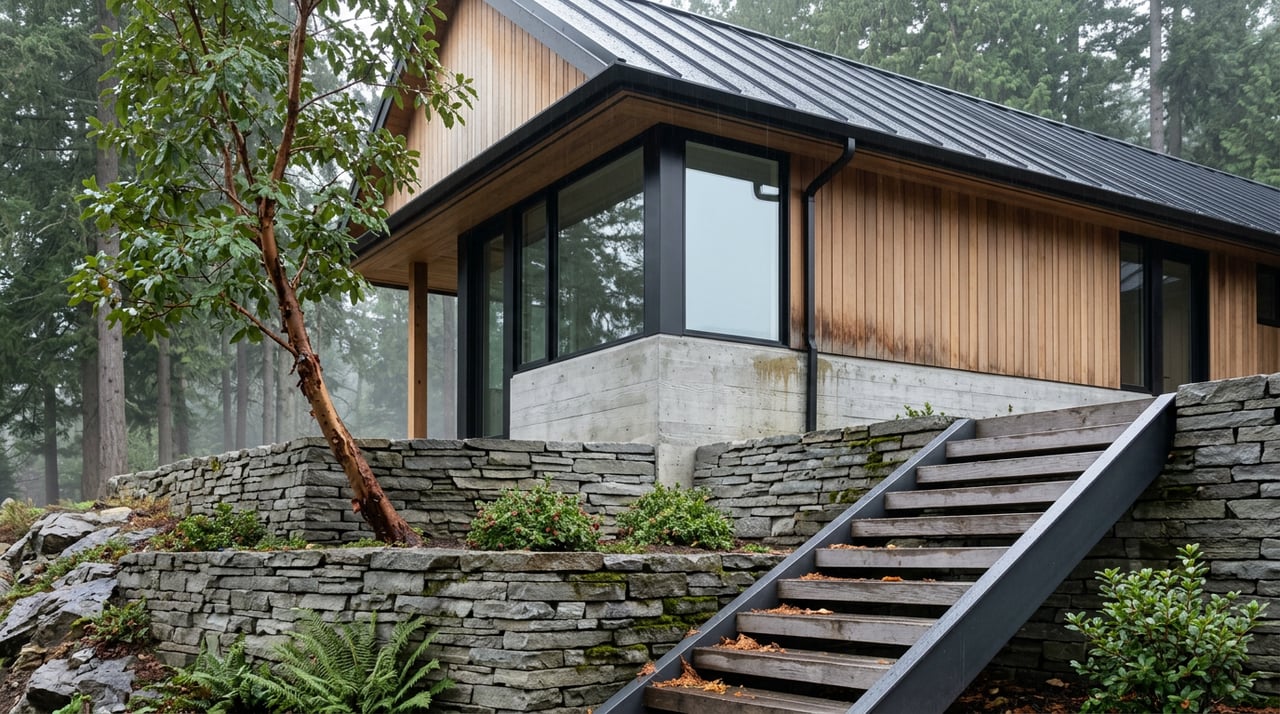
Forested settings require careful attention to site drainage so water flows away from the home. Tree cover can increase roof debris and moss, which stresses shingles and clogs gutters. Mature trees close to structures can pose wind or root hazards, and insurers or inspectors may recommend hazard tree work or an arborist review.
Moisture, air, and pests
Older Pacific Northwest homes can have dampness, mold, or ventilation issues, especially in crawlspaces and basements. Plan for a thorough moisture and ventilation assessment. Wood-decay organisms, carpenter ants, and occasional rodents are not uncommon in wooded areas. Radon and indoor air quality tests are also smart to include in your due diligence.
Septic, wells, and setbacks
If a property is on septic, confirm functionality and setback compliance, especially near the lake. If there is a private well, test for bacteria, nitrates, and common contaminants. Riparian buffers, shoreline setbacks, and septic drainfield rules are regulated, so review these early if you plan any changes.
Permits and records to verify
- Building, mechanical, and remodel permits for older homes, where undocumented work can be an issue.
- Shoreline permits and approvals for docks, bulkheads, and other waterfront work.
- Septic records and required reports on file with the county health department.
- Any critical-area designations, such as steep slopes, wetlands, or landslide-prone areas that limit future development.
- Utility upgrade plans or assessments that could affect the property.
Practical buyer checklist
Documents to request
- Full HOA packet: CC&Rs, bylaws, rules, current budget, reserve study, dues schedule, recent meeting minutes, and audits.
- Recent property tax statement and any assessment notices.
- Utility bills and service details for water, sewer, septic or well, power, and trash.
- Records for shoreline permits, as-builts, surveys, and bulkhead or dock maintenance.
- Septic permits and pump logs, plus well logs and water test results if applicable.
Inspections to schedule
- Standard home inspection with a licensed inspector.
- Septic inspection per county requirements, plus a well-water test if on a well.
- Arborist evaluation for large or close-in trees.
- Dock and bulkhead inspection by a qualified contractor for waterfront homes.
- Geotechnical review for steep or hillside lots.
- Insurance pre-check to confirm availability and premiums for home, flood, and wildfire coverage.
Smart questions to ask
- HOA: What do dues cover, and what projects are planned? What rules affect exterior changes, rentals, parking, or visible storage?
- County: Are there shoreline, flood, slide, or critical-area overlays on the lot? What permits are on file?
- Roads and access: Who maintains the road and what is the winter snow-removal plan?
- Utilities: Is the home on community water and sewer, or a well and septic? What are the service rules and rates?
Try the commute and daily routes
Do a test drive to your workplace, grocery, and key services at peak times. Check transit options if that matters to you. This gives you a feel for daily life and helps you compare Sudden Valley to in-town Bellingham.
Resale and long-term value
Proximity to water and community amenities can support long-term demand. The condition of shared infrastructure, including roads and amenities, and the HOA’s reserve health can influence future assessments and resale appeal. Home condition, documented permits, and well-maintained drainage and vegetation also matter when you go to sell.
Ready to compare homes in Sudden Valley to in-town Bellingham and map a search that fits your lifestyle and budget? Reach out to the local team that blends neighborhood insight with data-informed advice. Start the conversation with Julian & Company.
FAQs
What makes Sudden Valley different from Bellingham?
- You trade a denser, walkable urban setting for a forested, amenity-based community with beaches, trails, and a more suburban or rural feel.
How do HOA dues and assessments work in Sudden Valley?
- Expect recurring dues for common-area maintenance and amenities, and review the reserve study and meeting minutes for any planned capital projects or special assessments.
Do I need flood or wildfire insurance in Sudden Valley?
- It depends on the specific lot’s location and risk profile, so check floodplain maps and wildfire risk ratings and consult insurers about coverage and mitigation.
Are homes on public utilities or septic and wells?
- It varies by property, so verify whether a home connects to community water and sewer or relies on a private septic and well, and review system records and service costs.
What inspections are most important for lakeside or wooded homes?
- Prioritize drainage and moisture checks, roof and gutter condition, tree and vegetation risk, septic or well evaluations if applicable, and shoreline structure reviews for waterfront.
How should I think about commute and services from Sudden Valley?
- Plan for longer drives to some shops and services than in central Bellingham, and do test runs at peak times to gauge real-world travel and daily routines.